Amabie
amabie
Also known as: Amahiko
An 1846 sea spirit that foretold plague, asking its image be shown to the sick.
- Era
- Edo Period
- Region
- Kyushu
- Type
- Sea Yokai
Overview
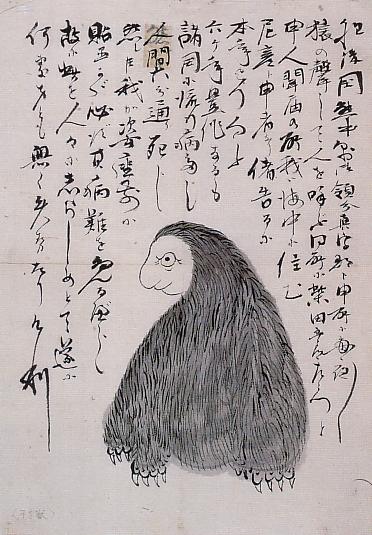
The amabie is a prophetic aquatic creature recorded in a single 1846 broadsheet (kawaraban) from Higo Province (modern Kumamoto). Half-human, half-fish, with long hair, a bird-like beak, and three legs, it rose from glowing waters off the coast to deliver a message to a government official: six years of bountiful harvests lie ahead — but if plague comes, show my likeness to the people.
The 1846 Broadsheet
The original text is brief: an official investigating nightly lights off the coast encountered the creature, which identified itself as "amabie," made its prophecy, and submerged. The official drew its portrait and circulated it — the standard Edo-period response to such encounters. This broadsheet, now held at Kyoto University, is the amabie's sole historical source.
The COVID-19 Revival
When COVID-19 spread globally in early 2020, Japanese social media users recalled the amabie's instruction: show my image to the afflicted. Within days, thousands of amabie illustrations flooded Twitter and Instagram. Artists, corporations, prefectural governments, and even the Ministry of Health adopted the creature as an unofficial mascot of pandemic solidarity. Merchandise, pastries, and postage stamps followed.
Related Prophetic Beings
The amabie belongs to a broader Edo-period genre of yokai broadsheets: creatures including the kudан (half-ox prophet), amahiko (a near-identical three-legged bird-fish), and the "shrine princess" (jinja-hime) all appear with plague-warding images and similar prophecies.
Significance
The amabie story illustrates how pre-modern Japanese communities managed collective anxiety through image-sharing — a practice that, as 2020 showed, has lost none of its psychological power in the digital age.
Sources
- 『Higo Province Sea Monster (broadsheet)』 Unknown (1846)
Related Yokai
Azuki-Arai
azuki-arai
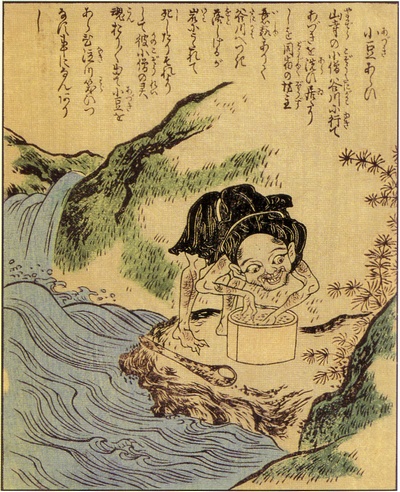
A yokai heard but rarely seen, washing azuki beans by a riverbank at night.

Bake-Kujira
bake-kujira
A colossal ghost whale said to appear off the coasts of Shimane and Yamaguchi, rising from the night sea as a massive skeleton surrounded by strange birds and fish.
Funa-Yūrei
funa-yurei
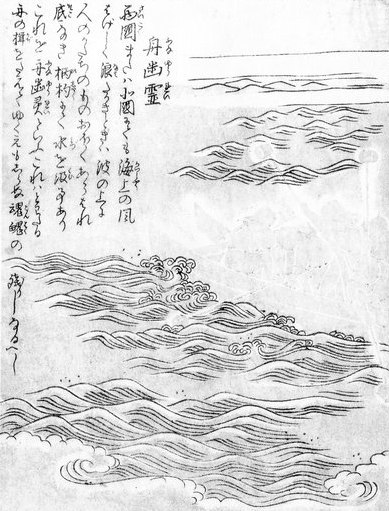
Drowned souls demanding a ladle from passing ships, then using it to sink them.