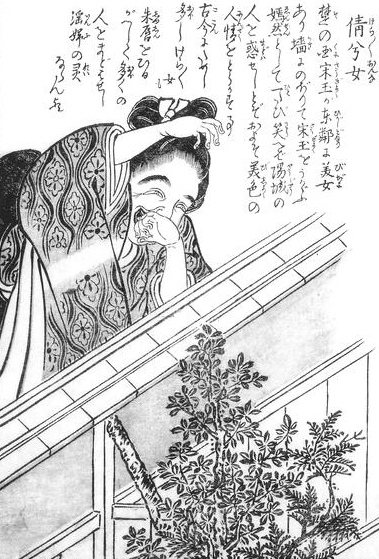
Kerakera-onna
kerakera-onna
Also known as: cackling woman、laughing giantess
A giant laughing woman who appears near Edo's entertainment districts at night, startling passersby with her loud cackling while looming overhead.
- Era
- Edo Period
- Region
- Kanto
- Type
- Road Yokai
Overview
The Kerakera-onna is a yokai from Edo (present-day Tokyo) and the Kantō region, known for appearing near pleasure quarters and entertainment districts in the late evening. Her name is derived from kerakera, a Japanese onomatopoeia for light, rapid, high-pitched laughter — the kind associated with cheerfulness or mockery. She is enormous in stature, towering over ordinary people, and her defining action is simply to laugh loudly at the humans below her. She does not typically cause physical harm, but her sudden appearance and booming, disembodied cackle causes people to flee in terror.
Appearance
The Kerakera-onna appears as a large woman dressed in the fashions of an Edo-period commoner or courtesan. In most depictions she is several times the height of a normal adult, with her face looming down from the darkness above street level. Her mouth is wide open in laughter, and her expression conveys either amusement or contempt. Some accounts describe her neck as unusually long, allowing her head to hover at a height even greater than her already enormous body would suggest.
Setting and Atmosphere
The Kerakera-onna's natural habitat is the pleasure districts (yukaku) of Edo — places like the Yoshiwara, where entertainment, commerce, and transgression mixed after dark. These areas had their own folklore of strange sightings and uncanny occurrences, shaped partly by the heightened emotional atmosphere of the night and partly by the genuine oddities of urban life at the edges of respectability. The Kerakera-onna embodies something of the unnerving quality of loud feminine laughter heard in the dark: is it coming from inside a building or from just outside? Is that a person or something else?
The Horror of Laughter
What makes the Kerakera-onna distinctive as a yokai is her weapon: laughter. Where most dangerous yokai threaten with violence, hunger, or supernatural power, she simply laughs. This is its own kind of uncanniness. Laughter in the darkness from a source too large to be human taps into something primitive — the sense that you are being observed and found ridiculous, or that something huge finds you amusing in a way that does not bode well. The sound of laughter without visible cause is deeply unsettling, and the Edo populace transformed that experience into a yokai.
Cultural Context
The Kerakera-onna reflects the fears and anxieties of Edo's urban nightlife. A city of over a million people by the eighteenth century, Edo had a rich tradition of night-town folklore. The entertainment districts were known for spectacle and surprise, and the line between the human and the uncanny was felt to be thin in those liminal spaces after dark.
Sources
- 『Kankai Ibun』 Matsura Seizan (1821)
- 『Yōkai Daizen』 Mizuki Shigeru (2004)
Related Yokai
Abura-Sumashi
abura-sumashi
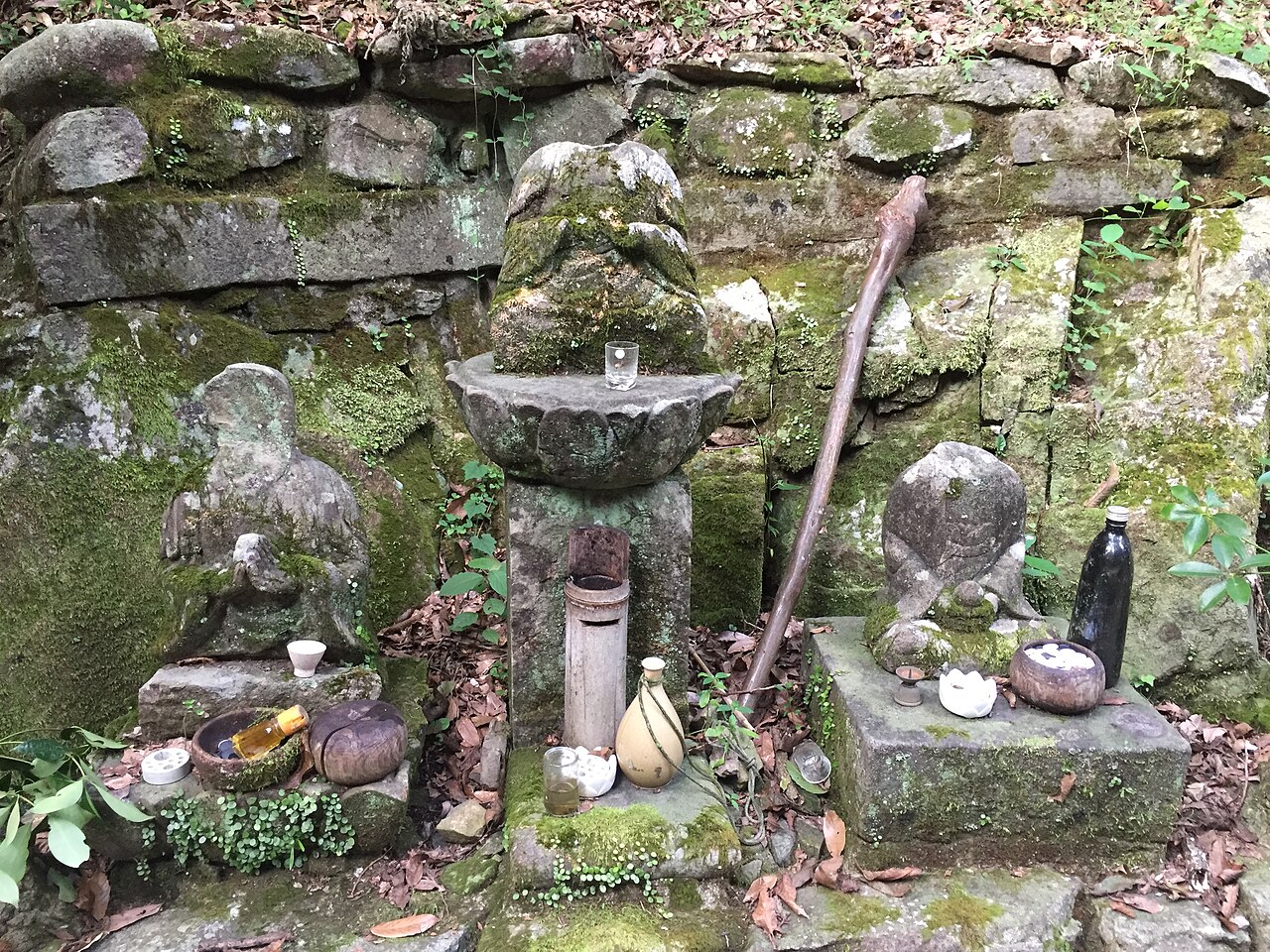
A straw-cloaked figure on a Kumamoto pass who declares his ancestor haunted it.

Betobeto-San
betobeto-san
An invisible yokai that follows travelers on dark roads, heard only as footsteps behind them. Saying "go ahead of me" makes it disappear.
Hitotsume-kozō
hitotsume-kozo
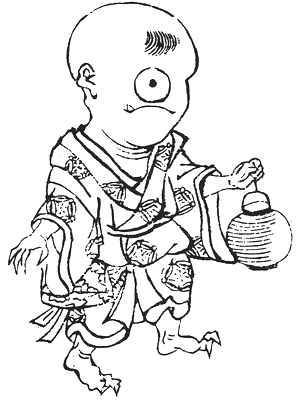
A child-monk yokai with a single large eye in the center of its face, associated with certain calendar days and known to fear objects with many holes.