Ningyo
ningyo
Also known as: Japanese Mermaid
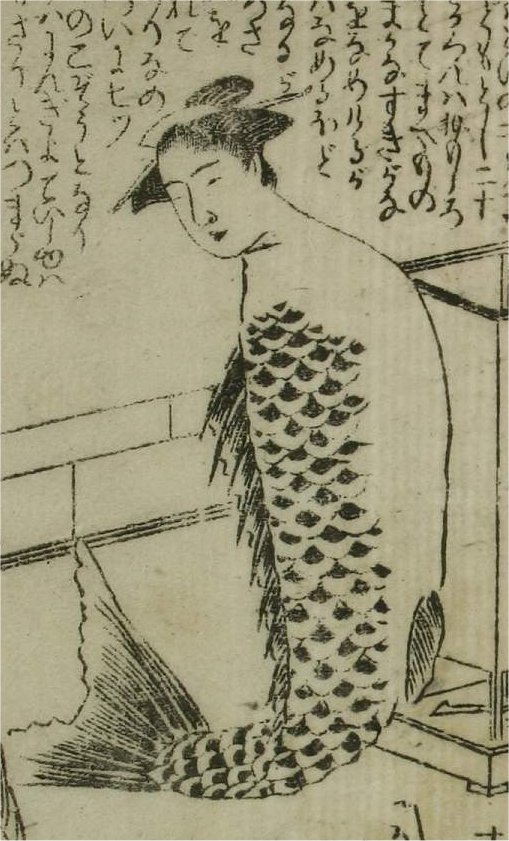
A Japanese sea creature with the upper body of a human and the lower body of a fish. Eating ningyo flesh is said to grant immortality — a belief central to the legend of the 800-year-old nun Yaobikuni.
- Era
- Heian Period
- Region
- Nationwide
- Type
- Sea Yokai
Overview
The ningyo is the Japanese equivalent of the mermaid — a sea creature combining a human upper body with a fish's lower body. However, the Japanese ningyo tradition differs markedly from the glamorous mermaids of Western fairy tales. In older Japanese accounts, the ningyo is often described as fearsome rather than beautiful, with a monkey-like face, small hands, and a fishy smell. The most important and enduring belief surrounding the ningyo is that eating its flesh grants the consumer eternal life — a power that forms the core of one of Japan's most haunting legends.
Appearance
Japanese descriptions of the ningyo do not consistently present it as beautiful. Early accounts in texts like Nihon Shoki (720 CE) describe encountering sea creatures in human form without elaborating on their appearance. Later encyclopedic works such as Wakan Sansai Zue (1713) describe the ningyo as having a human-like face but with the features of a carp or other fish species, and a body covered in scales. The ningyo's voice is sometimes described as resembling the song of a skylark or flute music, and hearing it is considered an omen — sometimes of good luck, sometimes of storms and calamity.
The Legend of Yaobikuni
The most famous ningyo legend concerns Yaobikuni, also called the "800-year-old nun." The story, associated with Wakasa Province (modern Fukui Prefecture), tells of a fisherman who accidentally caught a ningyo. He brought it home for a feast, but warned his guests not to eat it. One guest, curious or careless, consumed some of the flesh. The man's daughter, unaware of what the meat was, also ate it. The other guests who had refused suffered no consequences, but the daughter found that she could not age. She watched her husband grow old and die, then married again, and again, each time outliving her spouse. Unable to bear the loneliness of immortality, she eventually became a Buddhist nun and wandered Japan for centuries, planting camellia trees at each place she visited, before finally dying at an advanced age beyond reckoning.
Cultural Significance
The ningyo legend touches on universal human anxieties about immortality and the price of eternal life. Yaobikuni's story inverts the typical desire for endless life, presenting immortality not as a gift but as an unbearable curse. This melancholy perspective on supernatural longevity distinguishes the ningyo tradition from its Western mermaid counterpart. In the Edo period, mummified specimens sold as "ningyo mummies" toured the country as curiosities, keeping public fascination with the creature alive through the age of reason.
Sources
- 『Nihon Shoki』 Toneri Shinno (720)
- 『Wakan Sansai Zue』 Terajima Ryoan (1713)
Related Yokai
Amabie
amabie
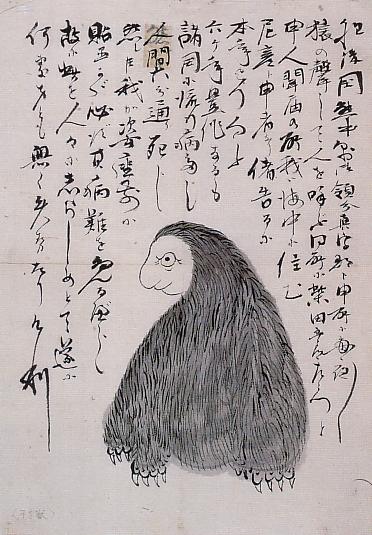
An 1846 sea spirit that foretold plague, asking its image be shown to the sick.
Azuki-Arai
azuki-arai
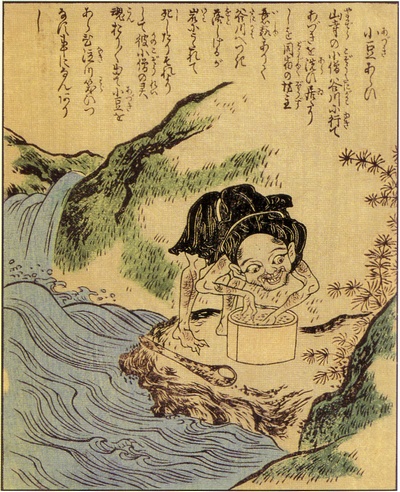
A yokai heard but rarely seen, washing azuki beans by a riverbank at night.

Bake-Kujira
bake-kujira
A colossal ghost whale said to appear off the coasts of Shimane and Yamaguchi, rising from the night sea as a massive skeleton surrounded by strange birds and fish.