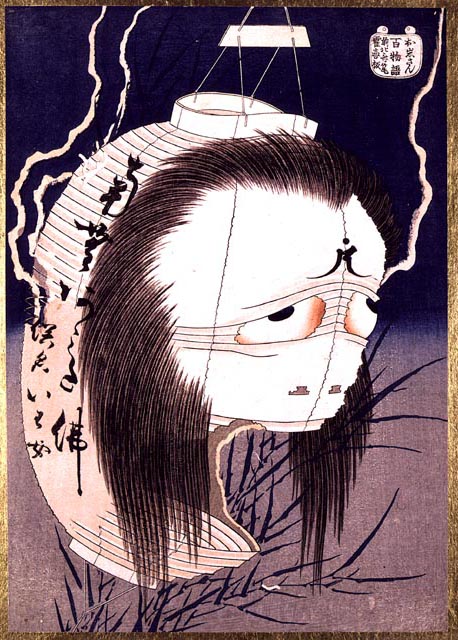
Chochin-obake
chochin-obake
Also known as: Paper Lantern Ghost、Lantern Yokai
A tsukumogami born from an old paper lantern, with a gaping mouth and single eye — a fixture of Edo-period ghost stories and candlelit horror gatherings.
- Era
- Edo Period
- Region
- Nationwide
- Type
- Tsukumogami
Overview
The chochin-obake is a tsukumogami — an animated spirit — that inhabits an old paper lantern (chochin). When the lantern has been used long enough, or when it is carelessly discarded, its paper tears open into a wide, grinning mouth, and a single eye appears above it. The spirit floats through the darkness, glowing from within, and became one of the defining images of Edo-period supernatural culture.
Appearance
The chochin-obake is most often depicted with the lantern's cylindrical body split open vertically to form a mouth with a dangling tongue. A large, round eye stares from above the mouth, giving the creature a look of manic delight. The flame inside the lantern still burns, casting an eerie glow through the torn paper. Some depictions show thin arms or tendrils emerging from the sides. The overall effect combines the familiar warmth of lamplight with the unsettling distortion of a face stretched too wide.
The Hyaku Monogatari Tradition
The chochin-obake is intimately connected with the Edo-period practice of Hyaku Monogatari Kaidankai — "One Hundred Ghost Stories" — a parlor game in which participants told frightening tales one by one, extinguishing a candle or lantern flame after each story. By the time the hundredth tale was told and the last light went out, the room was plunged into darkness, and supernatural entities were said to materialize. Lanterns and lamps thus became deeply associated with the boundary between the everyday world and the world of spirits.
Cultural Significance
In Edo-era daily life, paper lanterns were essential tools for navigating the dark streets at night. The transformation of this indispensable object into a yokai reflects the way Japanese folk belief animates the most familiar things with supernatural potential. Today the chochin-obake is a staple of summer festival decorations, Obon celebrations, and haunted house attractions. Alongside the kasa-obake, it has become one of the most instantly recognizable symbols of Japanese yokai culture worldwide.
Sources
- 『Gazu Hyakki Yagyō』 Toriyama Sekien (1776)
Related Yokai
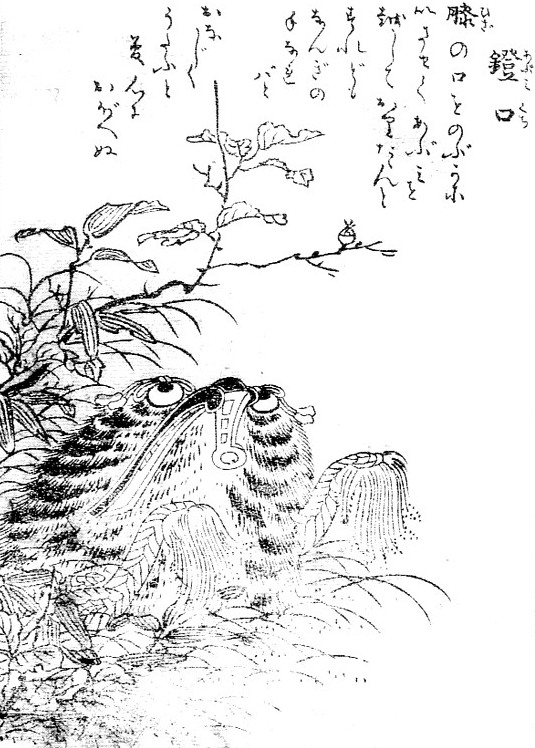
Abumi-guchi
abumi-guchi
A tsukumogami born from a horse's stirrup abandoned on a battlefield, still waiting for the master who never returned — grief and loyalty made monstrous.
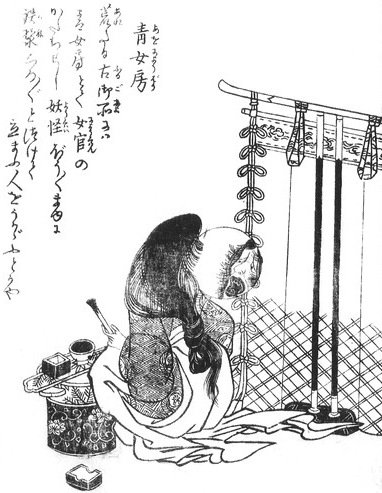
Aonyōbō
aonyobo
The spirit of a Heian court lady who haunts ruined aristocratic mansions, still applying her blackened teeth makeup centuries after her death.
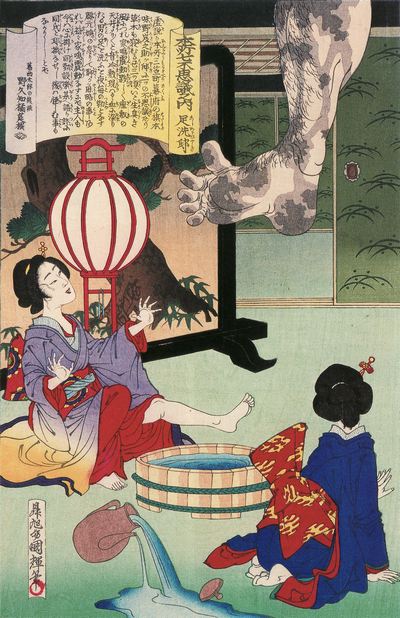
Ashiarai Yashiki
ashiarai-yashiki
A haunted Edo mansion terrorized by an enormous disembodied foot that crashes through the ceiling demanding to be washed. This famous Edo kaidan is one of Japan's most distinctively absurd ghost stories.