Itten-Momen
itten-momen
Also known as: ittanmomen
A flying bolt of white cloth from Kagoshima that suffocates its victims.
- Era
- Edo Period
- Region
- Kyushu
- Type
- Tsukumogami
Overview
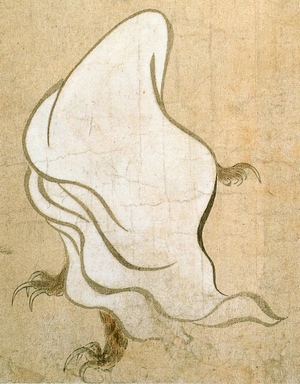
The itten-momen is a yokai from southern Kyushu, particularly Kagoshima Prefecture. Its name means "one tan of cotton cloth" — a tan being a traditional Japanese unit of fabric approximately ten meters long. True to its name, it appears as a long, white, cloth-like entity that flutters through the night sky.
Appearance and Behavior
The itten-momen moves through the air in undulating waves, silently approaching travelers before wrapping itself around their neck or face to suffocate them. Accounts differ on whether it has eyes or limbs; a more defined appearance emerged only in modern depictions. What all versions share is its eerie, silent flight and its strangling attack.
Origins and Folklore
The yokai originates in Kagoshima folklore, where it is sometimes called ittanmome in local dialect. The core legend describes a white cloth seen flying through the night — a sight unnerving enough to become a monster in the popular imagination. Toriyama Sekien included it in his Konjaku Hyakki Shūi (1781), giving the creature its first major illustrated appearance.
Modern Popularity
Shigeru Mizuki's manga GeGeGe no Kitarō transformed itten-momen into one of Kitarō's loyal companions, serving as a living flying carpet that carries the hero through the sky. This friendly reimagining made the yokai beloved nationwide. Statues of the character can be found in Kagoshima, where it has become a regional mascot.
Sources
- 『Konjaku Hyakki Shūi』 Toriyama Sekien (1781)
Related Yokai
Abumi-guchi
abumi-guchi
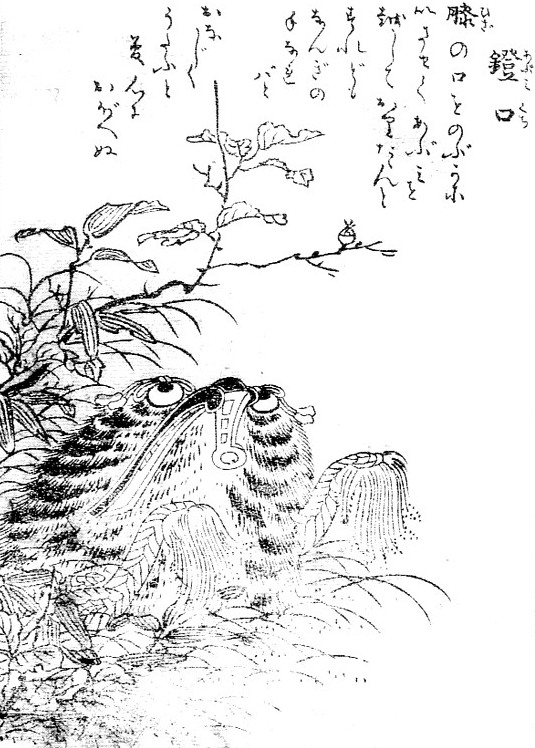
A tsukumogami born from a horse's stirrup abandoned on a battlefield, still waiting for the master who never returned — grief and loyalty made monstrous.

Abura-Sumashi
abura-sumashi
A straw-cloaked figure on a Kumamoto pass who declares his ancestor haunted it.
Bakezori
bakezori
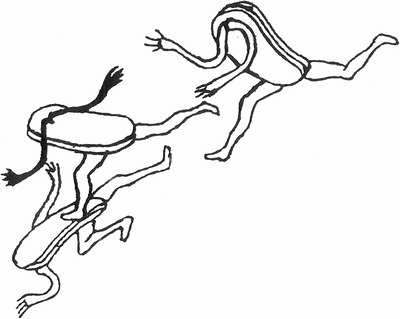
A tsukumogami born from a worn-out straw sandal (zori) that wanders through houses at night, crying out a strange counting chant tied to its thong holes.