
Kainan-hoshi
kainan-hoshi
Also known as: Sea Disaster Spirit、Drowned Monks' Spirit
A collective vengeful spirit formed from the souls of those who perished in maritime disasters, particularly along the coasts of Kyushu. The kainan-hoshi haunts coastal waters and is believed to capsize vessels and drag sailors to their deaths.
- Era
- Unknown
- Region
- Kyushu
- Type
- Sea Yokai、Undead
Overview
The kainan-hoshi is a collective vengeful spirit — an amalgamation of souls who perished in shipwrecks and other maritime disasters — that haunts the coastal waters of Kyushu and other Pacific-facing shores of Japan. Its name combines "kainan" (sea disaster, shipwreck) with "hoshi" (here suggesting a monk, priest, or holy figure), reflecting the belief that the drowned — particularly those who died far from their families and without proper Buddhist rites — could unite into a powerful and malevolent spiritual force. The kainan-hoshi represents the fears of Japan's coastal communities regarding the sea's lethal unpredictability and the spiritual consequences of mass drowning.
Nature and Manifestation
Unlike many yokai that take a specific, consistent physical form, the kainan-hoshi is primarily defined by its collective nature and its effects. It does not have a stable appearance in most accounts; instead, it manifests as a gathering of supernatural phenomena: sudden storms that appear from nowhere, fog that blinds navigators, currents that pull ships onto rocks, or the sound of many voices crying out from beneath the waves. Fishermen and sailors who encountered the kainan-hoshi described hearing their names called from underwater, or seeing the ghost-lights of multiple hitodama rising from the sea simultaneously.
In some more specific accounts, the kainan-hoshi takes the form of a mass of shadowy shapes rising from the water, or appears as a congregation of monk-robed figures walking on the ocean's surface during storms, their faces turned toward passing vessels with expressions of desperate hunger.
Maritime Spiritual Traditions
Japan's coastal culture developed extensive spiritual practices around the dangers of the sea. The unquiet dead — particularly those whose bodies were lost to the water and could not be recovered for proper burial — were considered extremely dangerous spirits, as they had been denied the funeral rites that would have allowed them to pass into the next world. The kainan-hoshi represents an amplified version of this danger: not a single restless ghost but a mass congregation of the drowned, each denied peace, each contributing their grief and anger to a collective force of supernatural malevolence.
Coastal communities performed regular memorial services for those lost at sea, maintained shrines dedicated to the spirits of the drowned, and observed specific annual observances to prevent the kainan-hoshi and similar spirits from growing powerful enough to attack the living. Neglecting these observances was believed to increase the spiritual danger of local waters.
Cultural Significance
The kainan-hoshi reflects the maritime realities of pre-modern Japan, where the sea was simultaneously the source of livelihood and a constant threat of death. By giving form and name to the accumulated spiritual consequences of maritime disaster, this tradition provided both an explanation for unexplained tragedies and a framework for preventive spiritual action — if the kainan-hoshi could be propitiated through proper ritual, its danger could be managed. This combination of supernatural explanation and practical spiritual response is characteristic of Japanese coastal folk religion at its most developed.
Sources
- 『Tono Monogatari』 Yanagita Kunio (1910)
Related Yokai
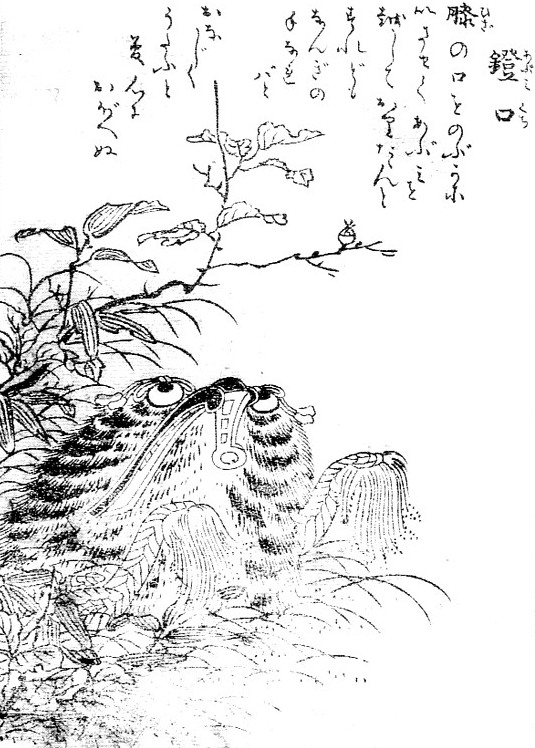
Abumi-guchi
abumi-guchi
A tsukumogami born from a horse's stirrup abandoned on a battlefield, still waiting for the master who never returned — grief and loyalty made monstrous.
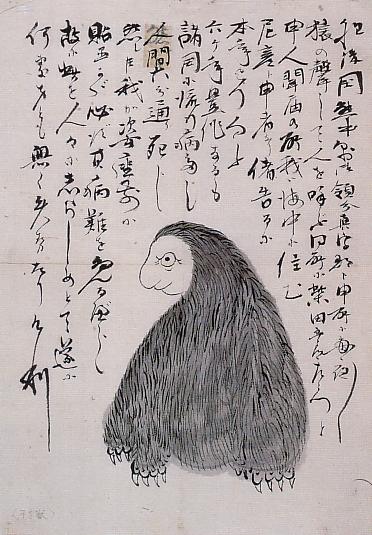
Amabie
amabie
An 1846 sea spirit that foretold plague, asking its image be shown to the sick.
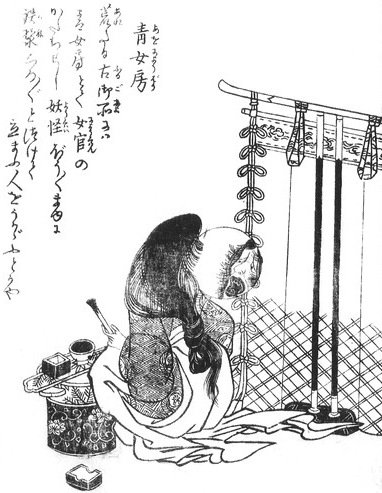
Aonyōbō
aonyobo
The spirit of a Heian court lady who haunts ruined aristocratic mansions, still applying her blackened teeth makeup centuries after her death.