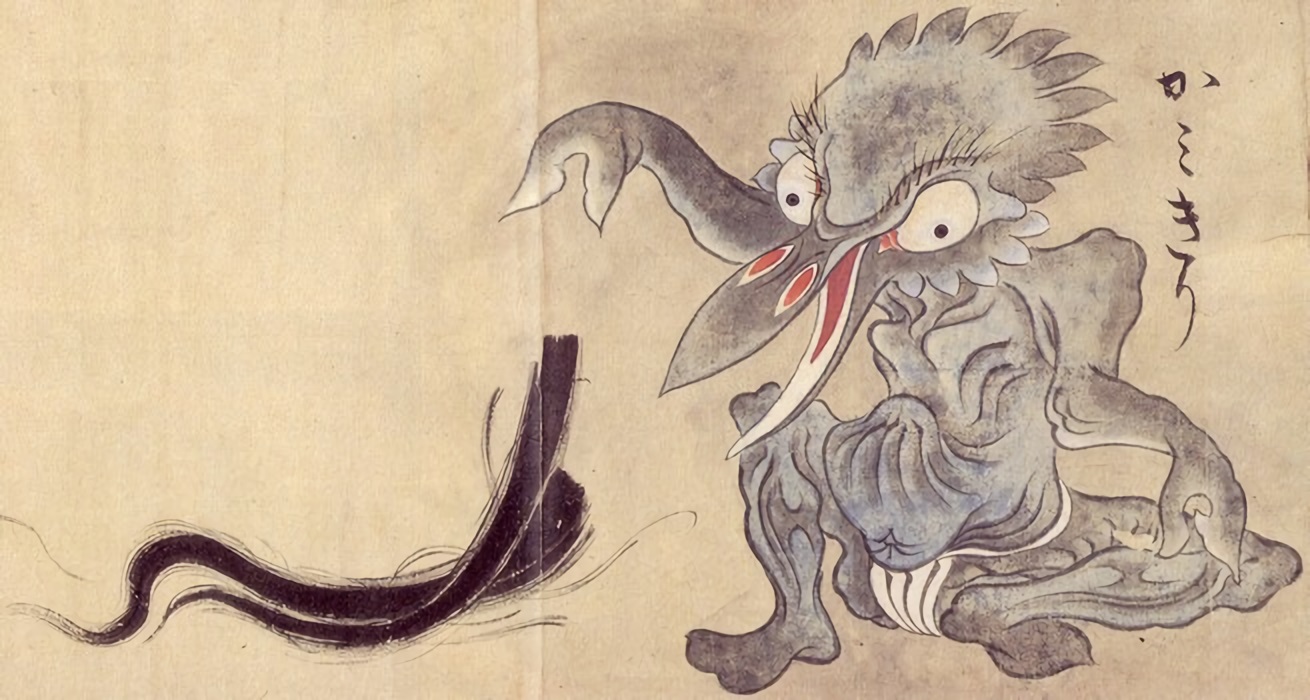
Kamikiri
kamikiri
Also known as: hair-cutter、hair-snipping spirit
An invisible or unseen yokai that stealthily cuts off people's hair without warning, responsible for a wave of mysterious hair-cutting incidents in Edo-period Japan.
- Era
- Edo Period
- Region
- Nationwide
- Type
- House Yokai、Road Yokai
Overview
The Kamikiri ("hair-cutter") is a yokai responsible for one of Edo-period Japan's most unsettling urban legends: a rash of incidents in which people found their hair cut off without warning, without feeling it happen, and without being able to identify who had done it. The creature is nearly invisible or moves too quickly to be perceived, and the only evidence of its presence is the severed hair discovered after the fact. Toriyama Sekien depicted it in his Gazu Hyakki Yagyō (1776) as a crab-like creature with large cutting claws, though folk accounts rarely specify what the creature looks like.
Appearance
Sekien's illustration gives the Kamikiri a crustacean form — hard-shelled, with prominent claw-like appendages suited for snipping. The image is inventive, but most folk accounts of the Kamikiri simply describe an unseen presence. Its method of attack leaves no wound, no sensation, and no memory of being touched. It is defined entirely by its effect: the sudden, inexplicable absence of hair that was there a moment ago.
The Edo Hair-Cutting Epidemic
During the Edo period, there were documented waves of reports of people having their hair mysteriously cut — in crowds, on dark streets, and even in their own homes. The phenomenon was described in contemporary records and led to genuine public alarm. Whether these were the work of human pranksters or criminals (a "辻髪切り," or roadside hair-cutter), supernatural attribution, or mass suggestion is unclear. What is certain is that the Kamikiri emerged from this historical experience as the yokai explanation for it.
Hair and the Spirit
In Japanese traditional belief, hair carries spiritual significance. It is connected to a person's life force and identity; rituals involving hair — cutting it at a temple, making a vow, presenting it as an offering — were meaningful acts. To have one's hair cut secretly and without consent was thus not merely a physical violation but a spiritual one. The theft of hair was an attack on the self at a deeper level than ordinary assault. This is why the Kamikiri causes such disproportionate fear despite causing no physical injury.
Legacy
The Kamikiri's image — an invisible or near-invisible entity that acts on you without your knowledge — taps into a primal anxiety about vulnerability and violation. The horror of not knowing when you've been attacked, not feeling it, and only discovering it afterward resonates well beyond its Edo-period origins. Modern horror fiction continues to explore this theme, and the Kamikiri remains a compelling figure in yokai culture.
Sources
- 『Gazu Hyakki Yagyō』 Toriyama Sekien (1776)
- 『Kankai Ibun』 Matsura Seizan (1821)
Related Yokai
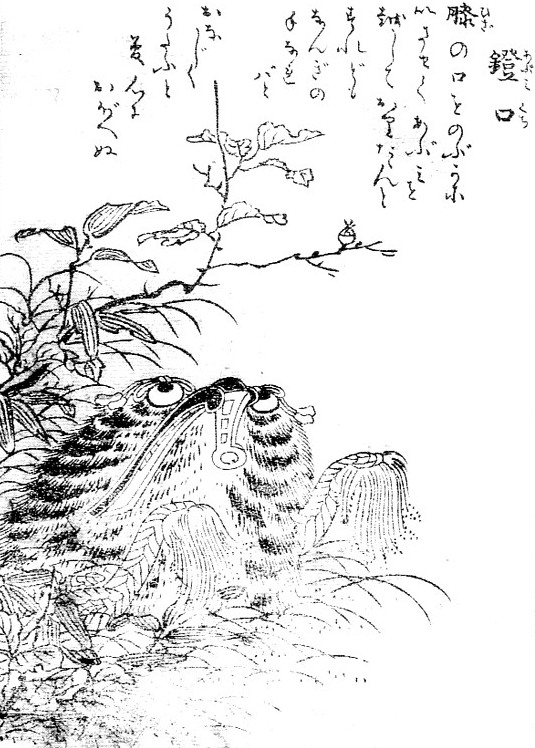
Abumi-guchi
abumi-guchi
A tsukumogami born from a horse's stirrup abandoned on a battlefield, still waiting for the master who never returned — grief and loyalty made monstrous.
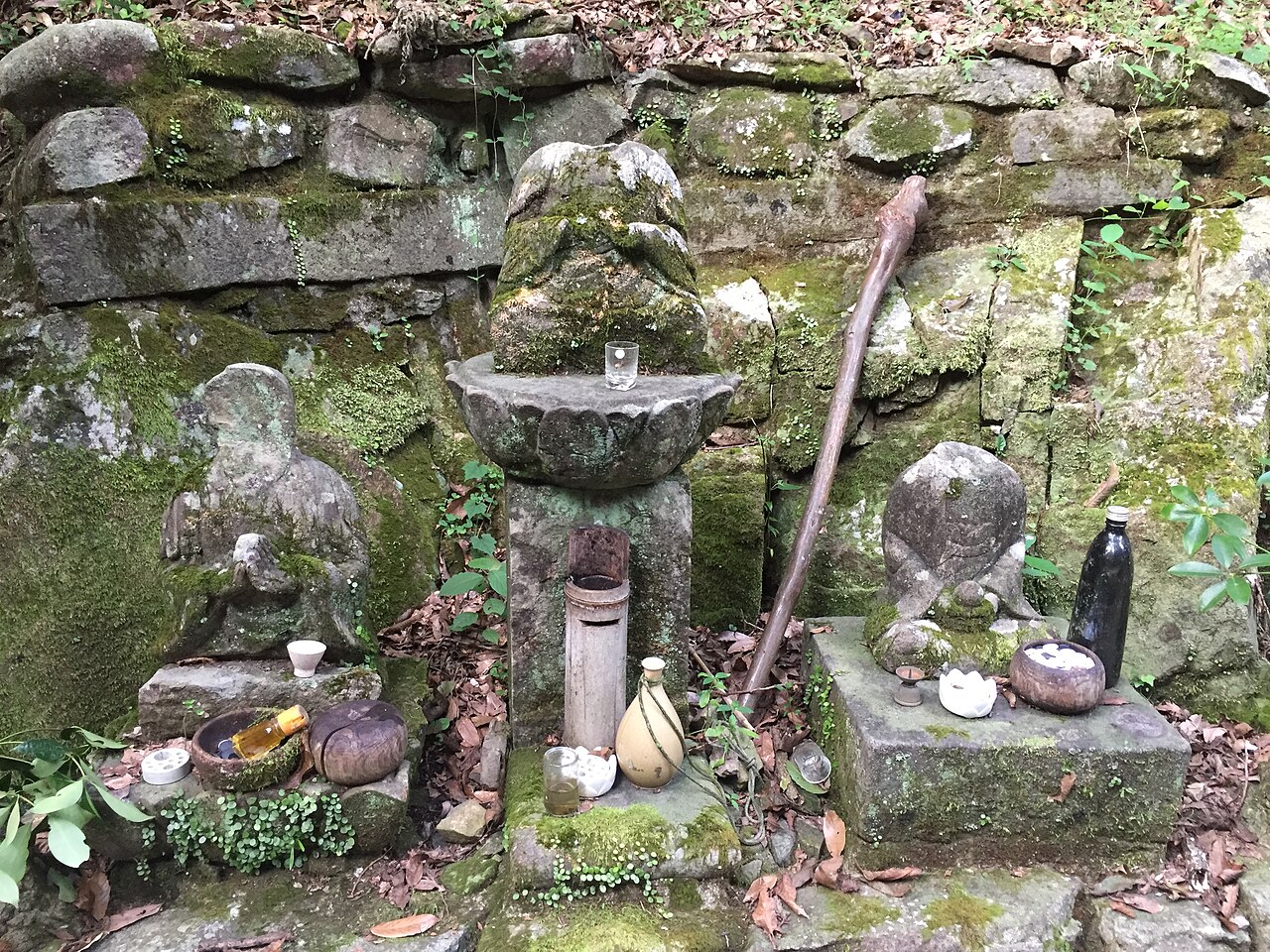
Abura-Sumashi
abura-sumashi
A straw-cloaked figure on a Kumamoto pass who declares his ancestor haunted it.
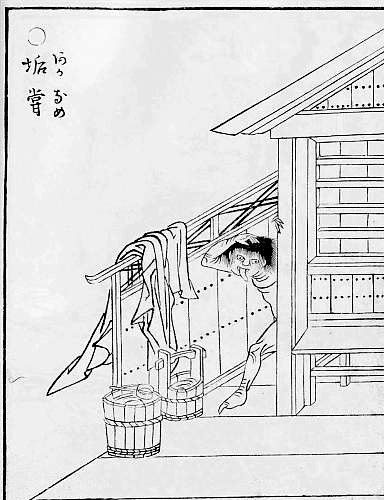
Aka-name
aka-name
A yokai that visits neglected bathrooms to lick up the accumulated grime and scum — harmless to people, but a vivid supernatural reminder to keep the bath clean.