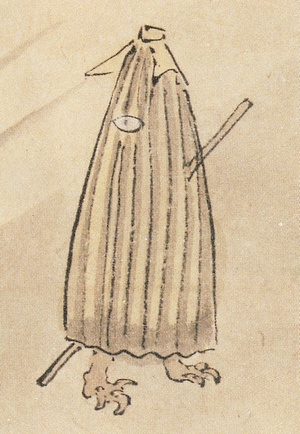
Kasa-obake
kasa-obake
Also known as: Karakasa-obake、Umbrella Ghost
A tsukumogami born from an old umbrella, recognizable by its single eye and one hopping leg — one of Japan's most iconic animated object spirits.
- Era
- Edo Period
- Region
- Nationwide
- Type
- Tsukumogami
Overview
The kasa-obake, also known as the karakasa-obake or "umbrella ghost," is one of Japan's most recognizable tsukumogami — a class of spirits that animate objects after one hundred years of use. An old paper umbrella, once neglected or discarded, transforms into a comical one-eyed, one-legged yokai that hops about and sticks out a long tongue. Rather than being purely terrifying, the kasa-obake occupies a charming, almost playful place in Japanese yokai culture.
Appearance
The kasa-obake is typically depicted as an open umbrella with a single large eye protruding from its center. Its ribs become limbs that allow it to hop on one leg, and it often sports a long, lolling tongue. Toriyama Sekien's illustrations from the Edo period helped standardize this image, and the design has changed little over the centuries. The creature's exaggerated, silly features make it more endearing than frightening.
Tsukumogami Belief
The kasa-obake belongs to the broader tradition of tsukumogami — spirits that inhabit old objects. This belief, rooted in animistic Japanese spirituality, holds that everyday items accumulate spiritual energy over decades of use. The concept served as a moral reminder to treat one's possessions with care and to hold memorial services (kuyō) for worn-out objects before discarding them. The tradition of needle memorial services (hari-kuyō), still practiced in parts of Japan, reflects this same reverence.
Cultural Legacy
Today the kasa-obake appears constantly in anime, manga, and festival decorations as a symbol of Japanese yokai culture. Its approachable design has made it one of the most merchandise-friendly yokai figures, appearing on everything from keychains to plushies. As a gateway yokai for children discovering Japan's supernatural folklore, the kasa-obake has ensured that the ancient concept of tsukumogami remains alive in contemporary imagination.
Sources
- 『Gazu Hyakki Yagyō』 Toriyama Sekien (1776)
Related Yokai
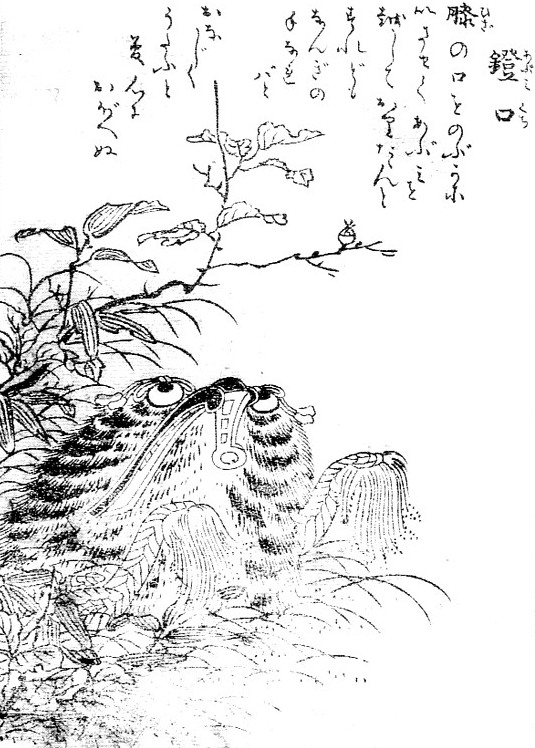
Abumi-guchi
abumi-guchi
A tsukumogami born from a horse's stirrup abandoned on a battlefield, still waiting for the master who never returned — grief and loyalty made monstrous.
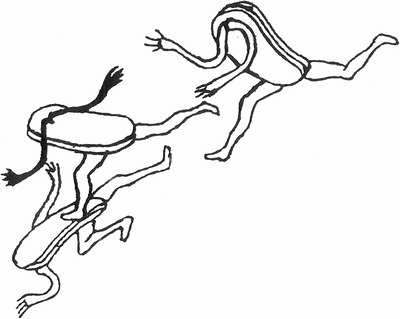
Bakezori
bakezori
A tsukumogami born from a worn-out straw sandal (zori) that wanders through houses at night, crying out a strange counting chant tied to its thong holes.
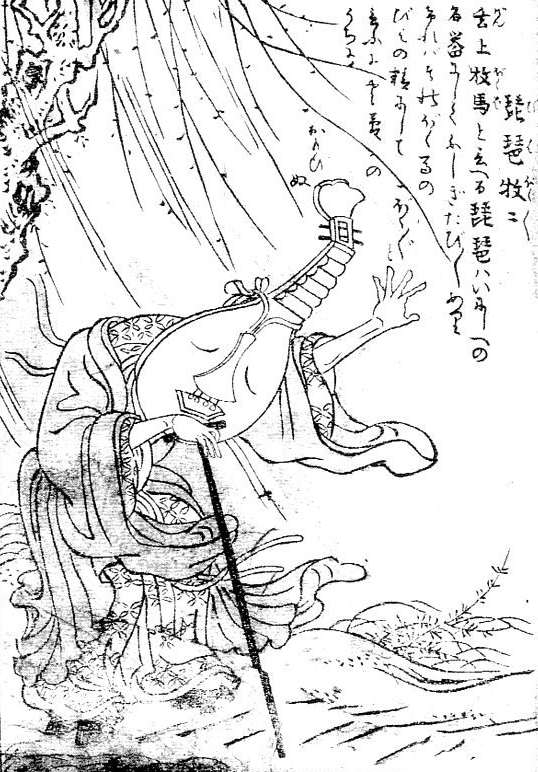
Biwa-bokuboku
biwa-bokuboku
A tsukumogami animated from an old biwa lute, said to play music by itself in the night — the soul of a player or the accumulated longing for music made manifest.