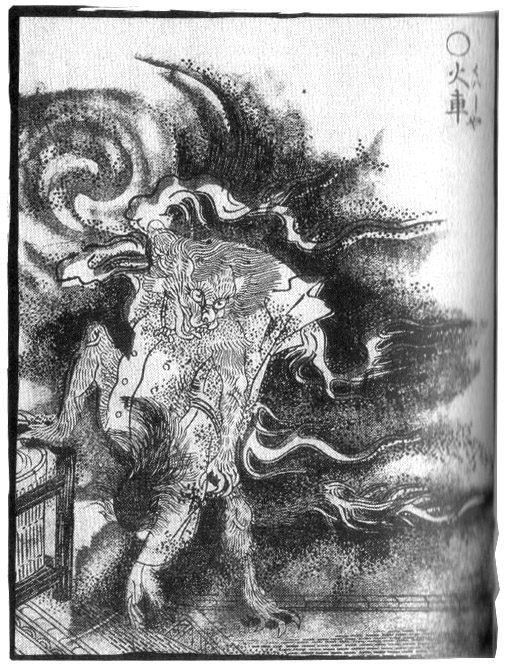
Kasha
kasha
Also known as: Fire Cart、Corpse-Stealing Demon
A fire demon that steals corpses from funerals, appearing as a blazing wheel or a monstrous cat. Rooted in Buddhist hell imagery, it has haunted Japanese funeral rites since the Heian period.
- Era
- Heian Period
- Region
- Nationwide
- Type
- Undead、Fire Yokai
Overview
The kasha is a terrifying yokai said to appear during storms and descend upon funerals to snatch away the body of the deceased — coffin and all. Its name means "fire cart" or "fire chariot," and it is traditionally depicted either as a blazing wheel of fire hurtling through the air, or as a monstrous cat creature that has transformed after years of supernatural development. The kasha's origins lie deep in Buddhist cosmology, where fiery carts were used to transport sinners to hell, and its legend has been interwoven with Japanese funeral customs for more than a thousand years.
Appearance
The kasha manifests in two primary forms depending on the tradition. In older Buddhist-influenced accounts, it appears as a gigantic wheel wreathed in flames, roaring through the storm-dark sky with terrifying speed. This form connects directly to images of the "fire chariot" found in hell scrolls and religious paintings.
The second and perhaps more visually distinctive form — popularized by Toriyama Sekien's Gazu Hyakki Yagyō (1776) — depicts the kasha as a cat demon, often shown leaping through the air with claws outstretched. This feline form derives from the widespread Japanese belief that cats are closely associated with death and the supernatural. In many regions, cats were deliberately kept away from the bodies of the deceased during funerals, lest their presence attract malevolent forces or cause the corpse to rise. The kasha represents the ultimate expression of this fear.
Buddhist Origins
The word "kasha" (火車) appears in Buddhist texts as the vehicle that carries sinful souls to hell at the command of Enma, the king of the underworld. This religious imagery profoundly shaped the yokai tradition. The kasha is thus not merely a common thief of corpses but a being with a foot in the realm of death and divine judgment — it arrives when a soul's fate hangs in the balance.
Legends and Folk Customs
References to fire carts snatching bodies appear in tale collections from the Heian and Kamakura periods, including the Konjaku Monogatarishū, demonstrating that this belief predates the Edo-era yokai taxonomy. In folk tradition across Japan, a sudden storm during a funeral was interpreted as a sign that the kasha had come. To ward it off, mourners would place a blade — a sword or knife — atop the coffin, as iron and sharp weapons were believed to repel supernatural threats.
Cultural Significance
The kasha embodies Japanese anxieties about improper burial and the fate of the soul after death. The belief that a poorly conducted funeral or a morally troubled soul might attract the kasha served as a social and religious reinforcement of proper funeral rites. In modern Japanese horror and yokai culture, the kasha remains a potent symbol of the blurred boundary between the world of the living and the realm of the dead.
Sources
- 『Gazu Hyakki Yagyō』 Toriyama Sekien (1776)
Related Yokai
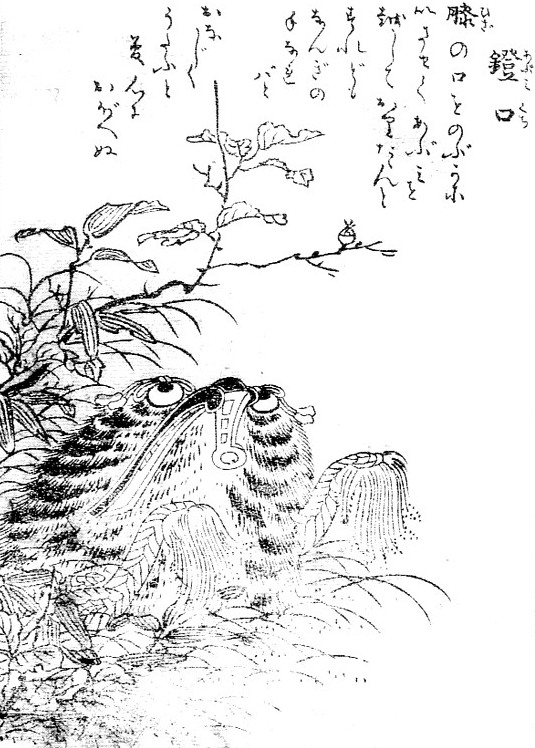
Abumi-guchi
abumi-guchi
A tsukumogami born from a horse's stirrup abandoned on a battlefield, still waiting for the master who never returned — grief and loyalty made monstrous.
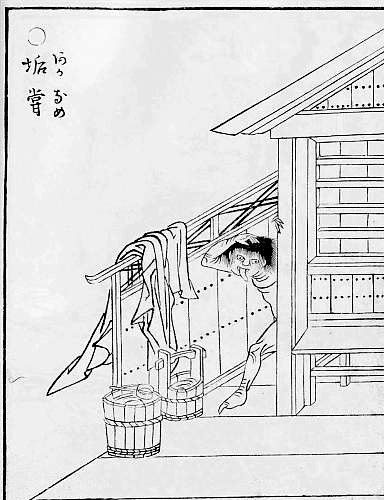
Aka-name
aka-name
A yokai that visits neglected bathrooms to lick up the accumulated grime and scum — harmless to people, but a vivid supernatural reminder to keep the bath clean.
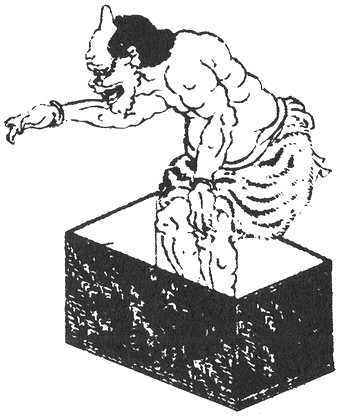
Amanojaku
amanojaku
A small, perverse demon that reads human hearts and does the opposite of what is desired. Famous as the villain of folk tales like Uriko-hime, and depicted in Buddhist sculpture as a creature trampled underfoot by guardian deities.