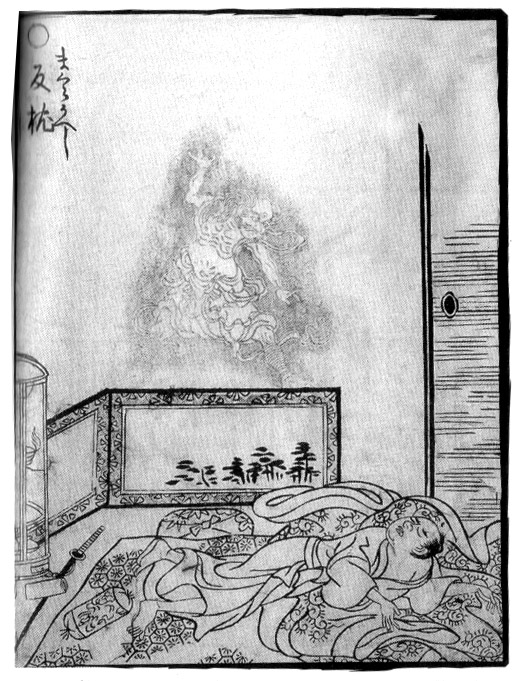
Makura-gaeshi
makura-gaeshi
Also known as: Pillow Turner、Pillow Flipper
A mischievous spirit that sneaks into bedrooms at night and moves or flips sleepers' pillows. The makura-gaeshi is a classic Japanese house yokai known for disturbing sleep without causing serious harm.
- Era
- Edo Period
- Region
- Nationwide
- Type
- House Yokai
Overview
The makura-gaeshi, literally "pillow turner" or "pillow returner," is one of Japan's most widely known household spirits. It sneaks silently into sleeping quarters at night and moves, flips, or repositions the pillows of sleeping people. Unlike many more dangerous yokai, the makura-gaeshi is primarily mischievous rather than malevolent — its favorite activity is simply causing the sleeper to wake up with their pillow in the wrong place, or to find that their head has been repositioned during the night without their knowledge.
Appearance and Behavior
The makura-gaeshi is rarely described in detail, and its precise appearance varies across traditions. In some accounts it is an invisible spirit detectable only by its effects; in others it is depicted as a small, translucent child-like figure that moves with extraordinary stealth. Its defining behavior is the nightly repositioning of pillows — turning them upside down, swapping them between sleepers, or moving them entirely to the other side of the room. In more serious accounts, a person who wakes up to find their pillow moved is warned not to go back to sleep, as the makura-gaeshi may attempt to steal the person's soul while they slumber.
Legends and Folk Belief
Accounts of pillow-moving spirits appear in a number of Edo period texts, including Kasshi Yawa, the extensive diary of Matsura Seizan. Many ordinary people reported waking to find their pillow unexpectedly moved, and attributed this to supernatural mischief. The makura-gaeshi was often connected to the belief that the soul partially leaves the body during sleep and is particularly vulnerable to spiritual interference — thus, the spirit's tampering with the pillow was more than mere pranking; it represented a potential danger to the sleeper's spirit.
Some traditions describe the makura-gaeshi as a guardian spirit of the bedroom that became mischievous when the household neglected proper spiritual observances. Others see it as a kind of spiritual tester — if you could sleep soundly despite its tricks, you were spiritually fortified; if you were disturbed every night, it signaled some imbalance in the home's spiritual environment.
Cultural Significance
The makura-gaeshi represents the gentler end of the Japanese household yokai tradition. While spirits like the zashiki-warashi bring fortune and others bring disaster, the makura-gaeshi occupies a middle ground of benign annoyance. In modern Japanese culture, it is often portrayed humorously in children's books and yokai collections. The image of a tiny, sneaky spirit rearranging sleeping people's pillows remains a charming fixture of Japan's rich tradition of house-dwelling supernatural beings.
Sources
- 『Kasshi Yawa』 Matsura Seizan (1821)
Related Yokai
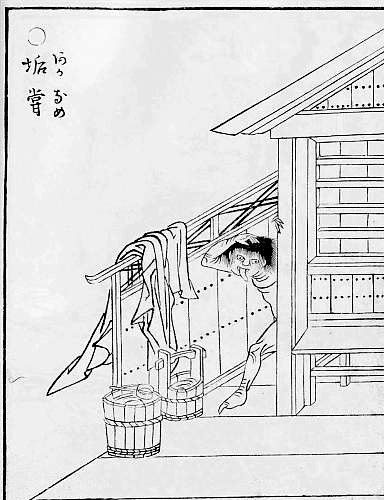
Aka-name
aka-name
A yokai that visits neglected bathrooms to lick up the accumulated grime and scum — harmless to people, but a vivid supernatural reminder to keep the bath clean.
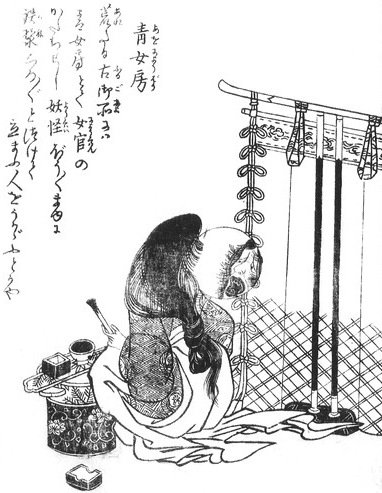
Aonyōbō
aonyobo
The spirit of a Heian court lady who haunts ruined aristocratic mansions, still applying her blackened teeth makeup centuries after her death.
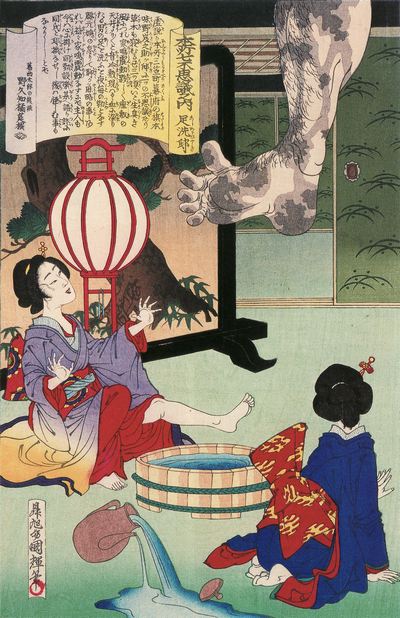
Ashiarai Yashiki
ashiarai-yashiki
A haunted Edo mansion terrorized by an enormous disembodied foot that crashes through the ceiling demanding to be washed. This famous Edo kaidan is one of Japan's most distinctively absurd ghost stories.