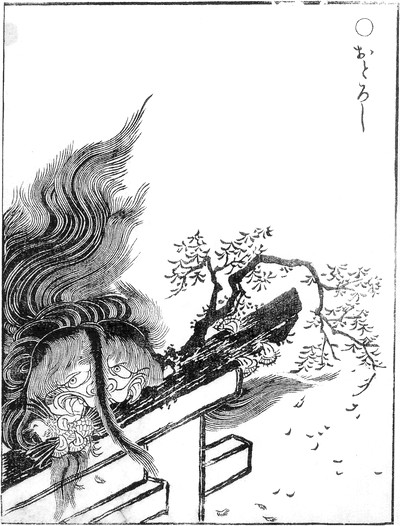
Otoroshi
otoroshi
Also known as: frightful one、torii guardian
A shaggy, fearsome yokai that lurks atop the torii gates of shrines and temple gates, dropping on those who approach with impure or wicked intentions.
- Era
- Edo Period
- Region
- Nationwide
- Type
- Road Yokai
Overview
The Otoroshi is a yokai depicted by Toriyama Sekien in Gazu Hyakki Yagyō (1776) as a creature of shaggy, disheveled fur that crouches atop shrine torii gates and temple entrance gates, waiting. Its name is generally taken to mean "frightful" or "terrible" — cognate with the modern Japanese adjective osoroshii. Unlike most yokai that pursue humans proactively, the Otoroshi is a reactive guardian: it does not bother the sincere and respectful worshiper. But those who approach a sacred site with wicked, disrespectful, or impure intentions will find the Otoroshi suddenly dropping upon them from above.
Appearance
Sekien's illustration shows the Otoroshi as a mass of shaggy, unkempt fur with a broad, fierce face barely visible within it. Its eyes are large and fierce, its mouth set in a snarl. It clings to the crossbeam of a torii gate with powerful limbs, the gate's sacred vermilion color contrasting with the creature's rough gray-brown hair. The overall impression is of something simultaneously primitive and purposeful — not mindlessly violent but deliberately terrible, a wrath-form of the sacred.
The Guardian Function
The Otoroshi occupies a unique position in yokai taxonomy: it is one of the few creatures that explicitly protects sacred spaces and enforces moral conduct. Most yokai are threats to human wellbeing regardless of the human's behavior. The Otoroshi, by contrast, is described as harmless to those with pure hearts who approach the shrine respectfully. This makes it function less like a monster and more like a guardian deity in monstrous form — the aggressive, punishing face of the divine.
Sacred Architecture and the Threshold
Torii gates and temple gates are threshold markers — the boundaries between the ordinary world and sacred space. Many cultures place guardians at such thresholds (temple lions, gargoyles, fierce-faced devas), and Japan is no exception. The Otoroshi fits into this tradition but is specifically Japanese in its form: not a formal statue but a rough, wild creature living atop the gate, untamed and unexpected. Its presence transforms the act of passing through a torii into a small moral test.
Religious and Ethical Dimensions
The Otoroshi reflects a conception of sacred space as genuinely demanding and dangerous for the wicked. Shrines and temples in Edo-period Japan were public spaces visited by people of all moral characters. The Otoroshi gave narrative form to the idea that the sacred was not neutral ground — that the gods watched who came to them and why, and that approach with ill intent carried real risk.
Sources
- 『Gazu Hyakki Yagyō』 Toriyama Sekien (1776)
Related Yokai
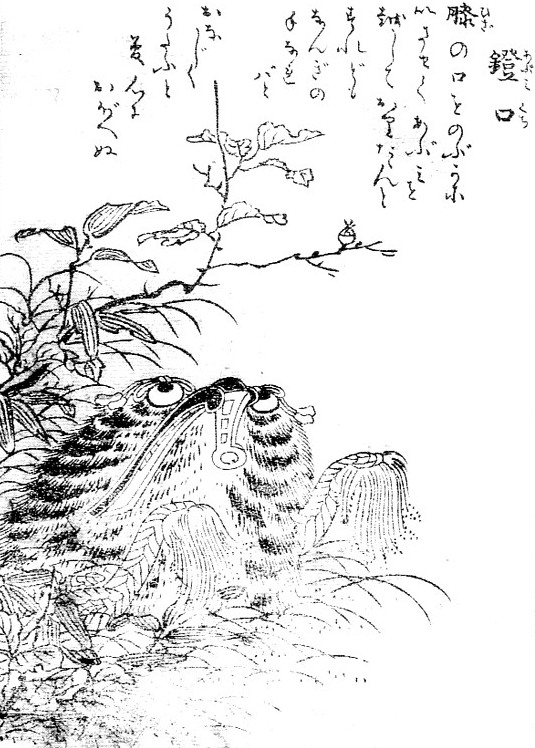
Abumi-guchi
abumi-guchi
A tsukumogami born from a horse's stirrup abandoned on a battlefield, still waiting for the master who never returned — grief and loyalty made monstrous.
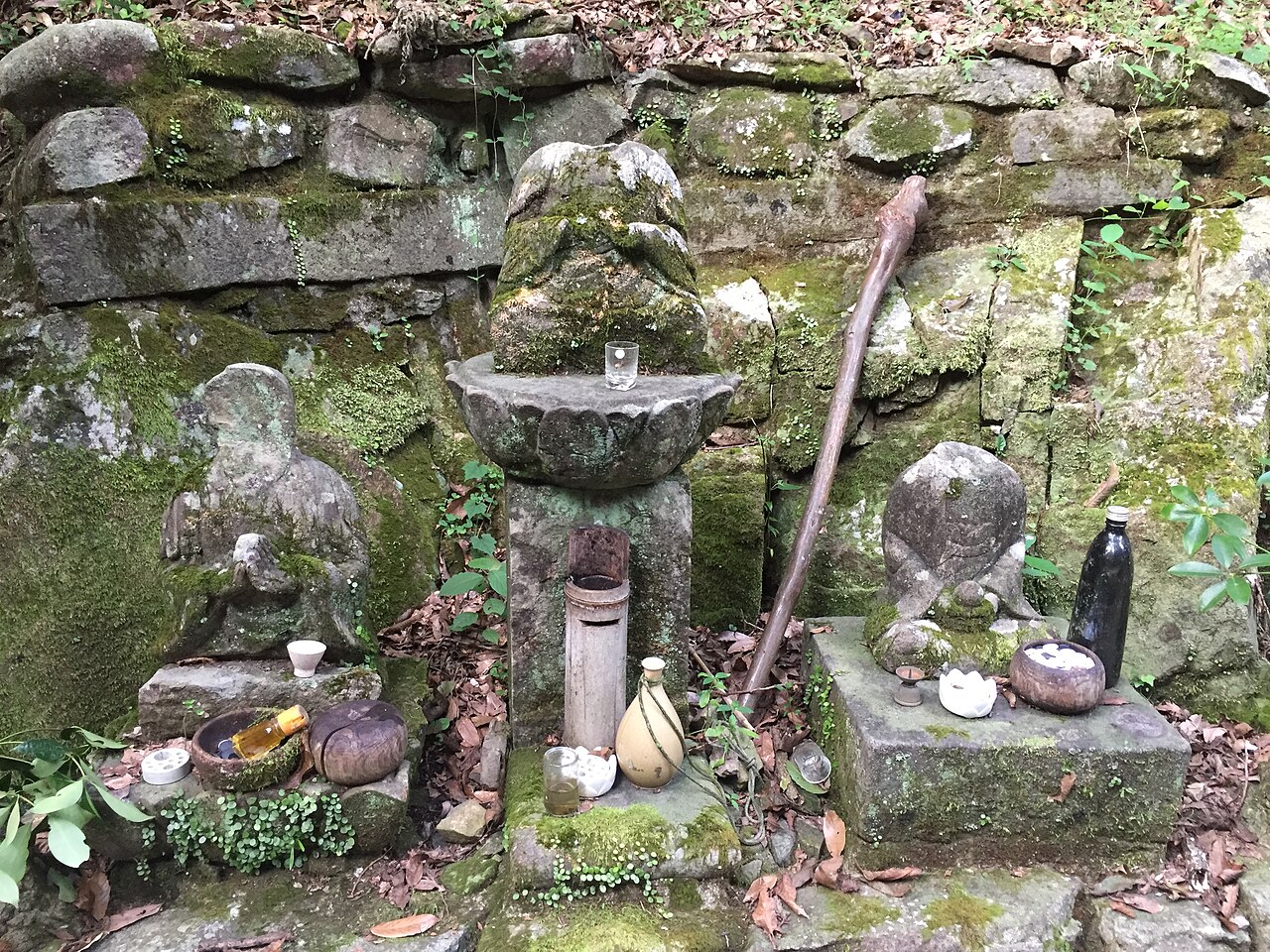
Abura-Sumashi
abura-sumashi
A straw-cloaked figure on a Kumamoto pass who declares his ancestor haunted it.
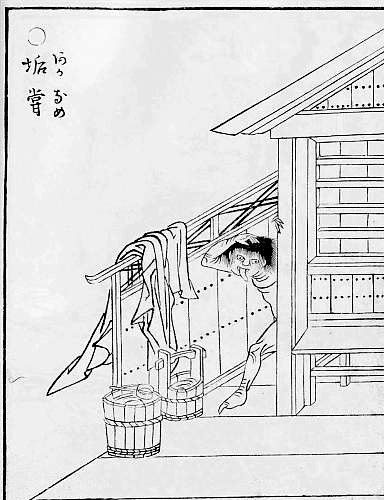
Aka-name
aka-name
A yokai that visits neglected bathrooms to lick up the accumulated grime and scum — harmless to people, but a vivid supernatural reminder to keep the bath clean.