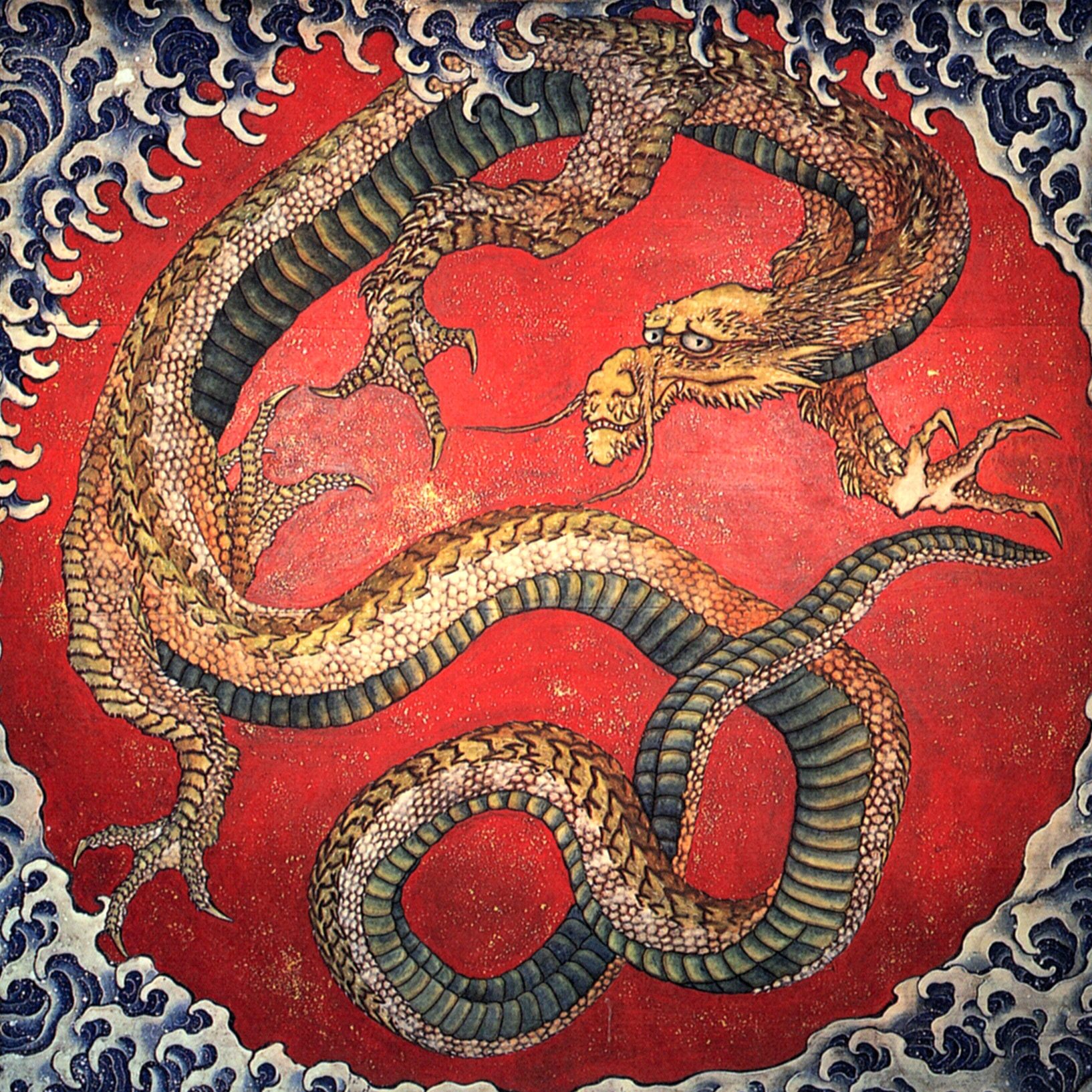
Ryū
ryu
Also known as: Ryujin、Japanese Dragon、Tatsu
The sacred water-dragon of Japan — a fusion of imported Chinese dragon lore and indigenous serpent deity worship that became the guardian of seas, rivers, and rain.
- Era
- Ancient
- Region
- Nationwide
- Type
- Divine Beasts、Water Yokai
Overview
The ryū (dragon) is one of the most important supernatural beings in all of Japanese religion and mythology. Unlike the fire-breathing, treasure-hoarding dragon of European tradition, the Japanese dragon is a divine water spirit — a benevolent (if powerful and unpredictable) deity that governs seas, rivers, rainfall, and weather. The ryū as understood in Japan is the product of a synthesis between the dragon mythology imported from China with Buddhism and the indigenous Japanese tradition of worshipping great serpents as water gods.
Appearance
The Japanese dragon follows the Chinese iconographic template: a long, sinuous body like an enormous serpent; four clawed legs; a body covered in glistening scales; a head with deer-like antlers; and whiskers. It is depicted in many colors — green-blue, black, gold, and white are all common — and is most often shown among clouds or rising from water. Crucially, the Japanese dragon breathes mist, clouds, and water rather than fire, reflecting its fundamental nature as a water deity and sky-bringer of rain.
Dragons in Japanese Mythology
The Nihon Shoki and Kojiki contain several important dragon narratives. Toyotama-hime, the sea deity's daughter who marries the legendary hunter Hohodemi, reveals her true form as a great sea creature during childbirth. The Ryūgū-jō (Dragon Palace) beneath the sea, which appears in the tale of Urashima Tarō, is the domain of the dragon king Ryūjin. Even the fearsome eight-headed serpent Yamata no Orochi, slain by the god Susanoo, is understood as related to the primordial serpent-dragon tradition.
Dragon Worship and Water
Throughout Japan, dragons are venerated as the guardians and embodiments of water. Hundreds of shrines across the country enshrine dragon deities (ryūjin or ryūō), and communities facing drought have traditionally offered prayers and rituals to these water gods. In Japanese Buddhism, the nāgarāja (dragon kings) are important protective deities who guard the Buddhist law. The seamless fusion of Shinto water deity worship with Buddhist dragon iconography is one of the finest examples of the religious syncretism that characterizes Japanese spiritual history.
Sources
- 『Nihon Shoki』 Prince Toneri (720)
- 『Shanhaijing』 Ancient Chinese Classic (-300)
Related Yokai
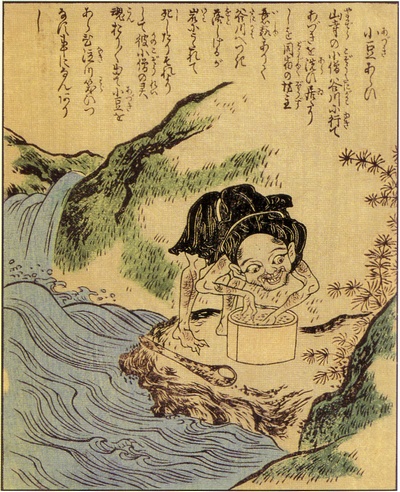
Azuki-Arai
azuki-arai
A yokai heard but rarely seen, washing azuki beans by a riverbank at night.

Azuki-Babaa
azuki-babaa
A dangerous old-woman yokai who scrapes azuki beans in mountain streams. Related to the azuki-arai but more specifically formed and more actively threatening.
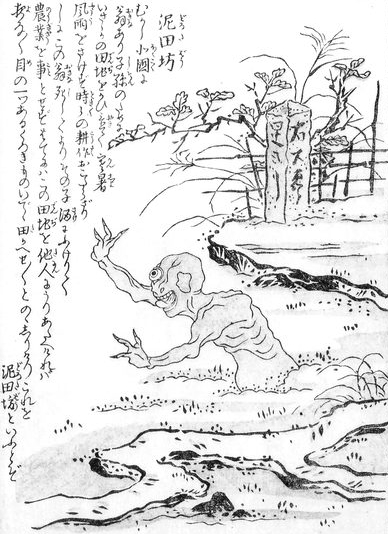
Dorotabō
dorotabo
The vengeful spirit of an old farmer whose children sold his beloved rice paddies, rising from the mud at night with three-fingered hands raised, crying for his fields to be returned.