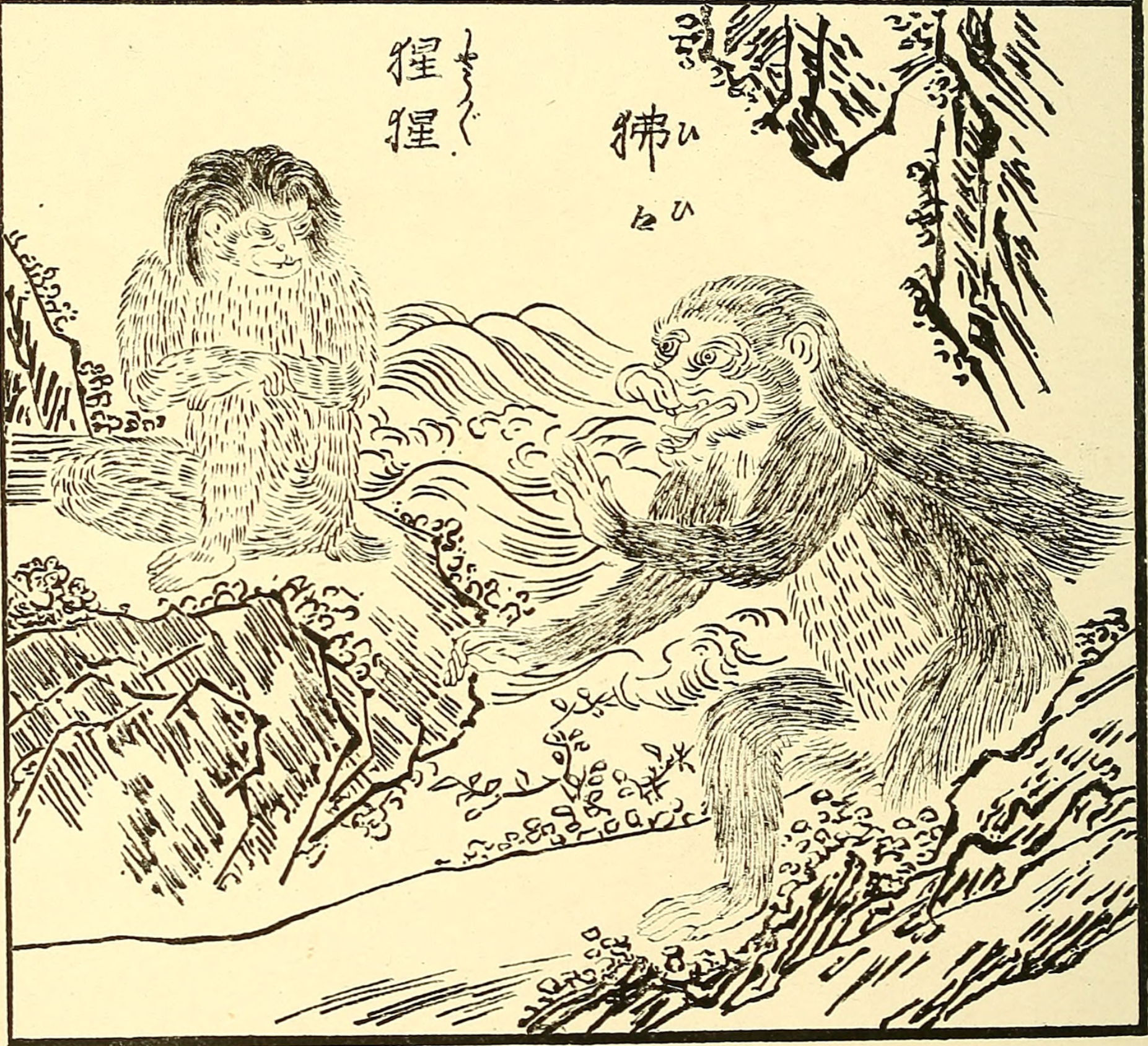
Shōjō
shojo
Also known as: sea sprite、red-haired sea spirit
A red-haired, humanlike sea spirit that loves sake above all things and brings good fortune to those who share wine with it, the protagonist of the famous Noh play of the same name.
- Era
- Unknown
- Region
- Nationwide
- Type
- Sea Yokai、Animal Yokai
Overview
The Shōjō is one of the most distinctive and culturally significant beings in Japan's supernatural bestiary — not because it is frightening, but because it is celebratory. A sea-dwelling creature with a humanoid form and dramatically red hair, the Shōjō is defined by its love of sake (rice wine) and its benevolent relationship with humans who share its passion. It appears at the water's edge to drink with deserving visitors, and in return brings blessings and good fortune. The Shōjō is the protagonist of the classical Noh play Shōjō (attributed to Zeami Motokiyo or his circle), one of the most beloved pieces in the Noh repertoire, and its image has permeated Japanese art, poetry, and design for centuries.
Appearance
The Shōjō's most striking feature is its brilliant red coloring: red skin, red hair flowing to the waist, red robes. This vivid scarlet is associated with festivity, longevity, and the flush of intoxication. The face is recognizably human and joyful — often depicted with a wide, contented smile and bright eyes. The creature is typically shown holding a large sake ladle or cup, ready to drink. In Noh performance, the shōjō character wears a distinctive long red wig and bright costume that is instantly recognizable.
The Noh Play Shōjō
The Noh play Shōjō tells the story of a filial sake-seller named Kōfū (or Takafū in some versions) who dutifully tends his wine shop. One evening a shōjō appears to him at the shore and drinks with him, rewarding his filial virtue with an inexhaustible supply of sake from a magical jar. The play is classified as a kiri noh (fifth-category finale play) and is performed at the end of a full Noh program, sending the audience home with a feeling of brightness and good fortune. The shōjō's dance in the play is one of the most technically demanding and visually spectacular in the repertoire.
Chinese Origins
The shōjō's origins lie in Chinese classical texts, where the xīngxīng (猩猩) — a creature similar in concept — is described as a large ape or humanoid animal of great intelligence that can speak human language and has a taste for wine. The Chinese creature was sometimes identified with the orangutan, which was known from Southeast Asian trade routes. When the concept traveled to Japan, the overtly bestial aspects were softened and the ape-like creature was transformed into a graceful, humanoid sea spirit with its love of sake retained and elevated to its defining characteristic.
Cultural Legacy
The color known as shōjō-hi ("shōjō scarlet") — a vivid, warm red — takes its name from the creature and has been used in Japanese textile and lacquerware traditions for centuries. The shōjō appears in woodblock prints, pottery decorations, and lacquerwork as a symbol of joyful celebration and the blessings of drink. Among yokai, it occupies a rare position: a genuinely auspicious being whose encounter brings good luck rather than danger.
Sources
- 『Wakan Sansai Zue』 Terajima Ryōan (1713)
- 『Gazu Hyakki Yagyō』 Toriyama Sekien (1776)
Related Yokai
Amabie
amabie
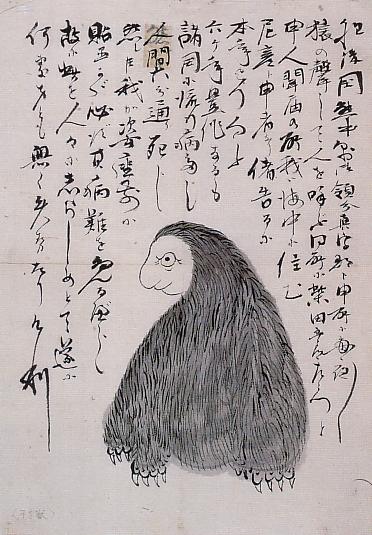
An 1846 sea spirit that foretold plague, asking its image be shown to the sick.
Azuki-Arai
azuki-arai
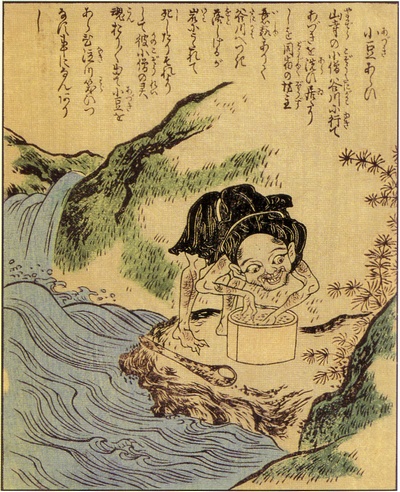
A yokai heard but rarely seen, washing azuki beans by a riverbank at night.

Bake-Kujira
bake-kujira
A colossal ghost whale said to appear off the coasts of Shimane and Yamaguchi, rising from the night sea as a massive skeleton surrounded by strange birds and fish.