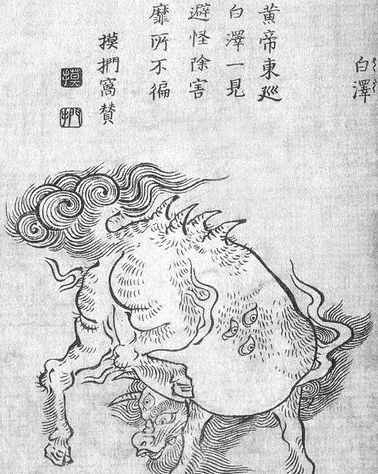
Hakutaku
hakutaku
Also known as: Bai Ze、White Marsh Beast
A legendary Chinese divine beast that appeared before the Yellow Emperor and recited the names and natures of all supernatural beings in existence — the original encyclopedia of monsters.
- Era
- Ancient
- Region
- Nationwide
- Type
- Divine Beasts
Overview
The hakutaku (known in Chinese as the Bái Zé) is a divine beast from Chinese mythology that passed into Japanese spiritual tradition. When the legendary Yellow Emperor (Huángdì) was on a journey to the east, the white-bodied creature appeared before him and proceeded to dictate the names, appearances, and methods for dealing with all 11,520 species of supernatural beings that exist in the world. This knowledge was recorded and became the foundation of the legendary Hakutaku-zu — the earliest known compendium of supernatural creatures.
Appearance
The hakutaku has the body of a white ox or lion, a human-like face capable of speech, and multiple eyes. Chinese sources describe it as having nine eyes in total — four on its head and two on each flank — along with a flowing mane. Its pure white coloration symbolizes holiness and virtue, and the creature was said to appear only before rulers of exceptional moral character, serving as a sign of heaven's favor.
The Encyclopedia of the Supernatural
What makes hakutaku unique among divine beasts is its function as a source of knowledge rather than power. Its great gift to humanity was not martial prowess or physical protection but information — a complete taxonomy of the supernatural world. The Hakutaku-zu, the illustrated text said to have recorded its teachings, became an authoritative reference for identifying and counteracting supernatural phenomena across East Asia. Images of the hakutaku placed under pillows or carried as travel amulets were believed to ward off evil spirits, as the creature's omniscient gaze could identify and repel any supernatural threat.
Influence on Japanese Yokai Culture
The hakutaku reached Japan through the channels of Chinese learning that flowed into Japan during the Nara and Heian periods, and was incorporated into the practices of onmyōdō (yin-yang divination) and Shugendo (mountain asceticism). Its image decorated temples, shrines, and ritual texts. The idea of a complete supernatural bestiary — a book of all monsters — that the hakutaku inspired can be traced forward through centuries of Japanese yokai scholarship, ultimately connecting to the encyclopedic yokai catalogs produced by Toriyama Sekien in the Edo period. In a sense, all yokai encyclopedias, including this one, are the children of the hakutaku's recitation.
Sources
- 『Wakan Sansai Zue』 Terajima Ryōan (1713)
Related Yokai
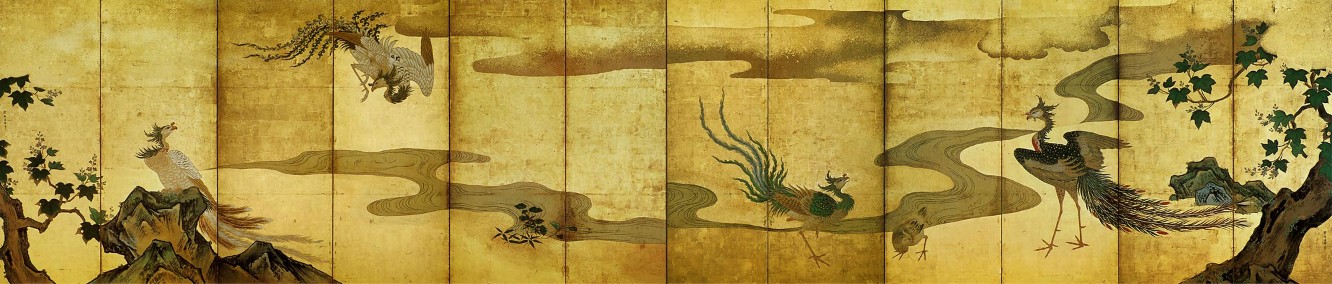
Hō-ō
ho-o
The undying divine bird of East Asian tradition, whose appearance heralds a virtuous reign — it perches only in the paulownia tree, drinks only pure water, and eats only bamboo fruit.
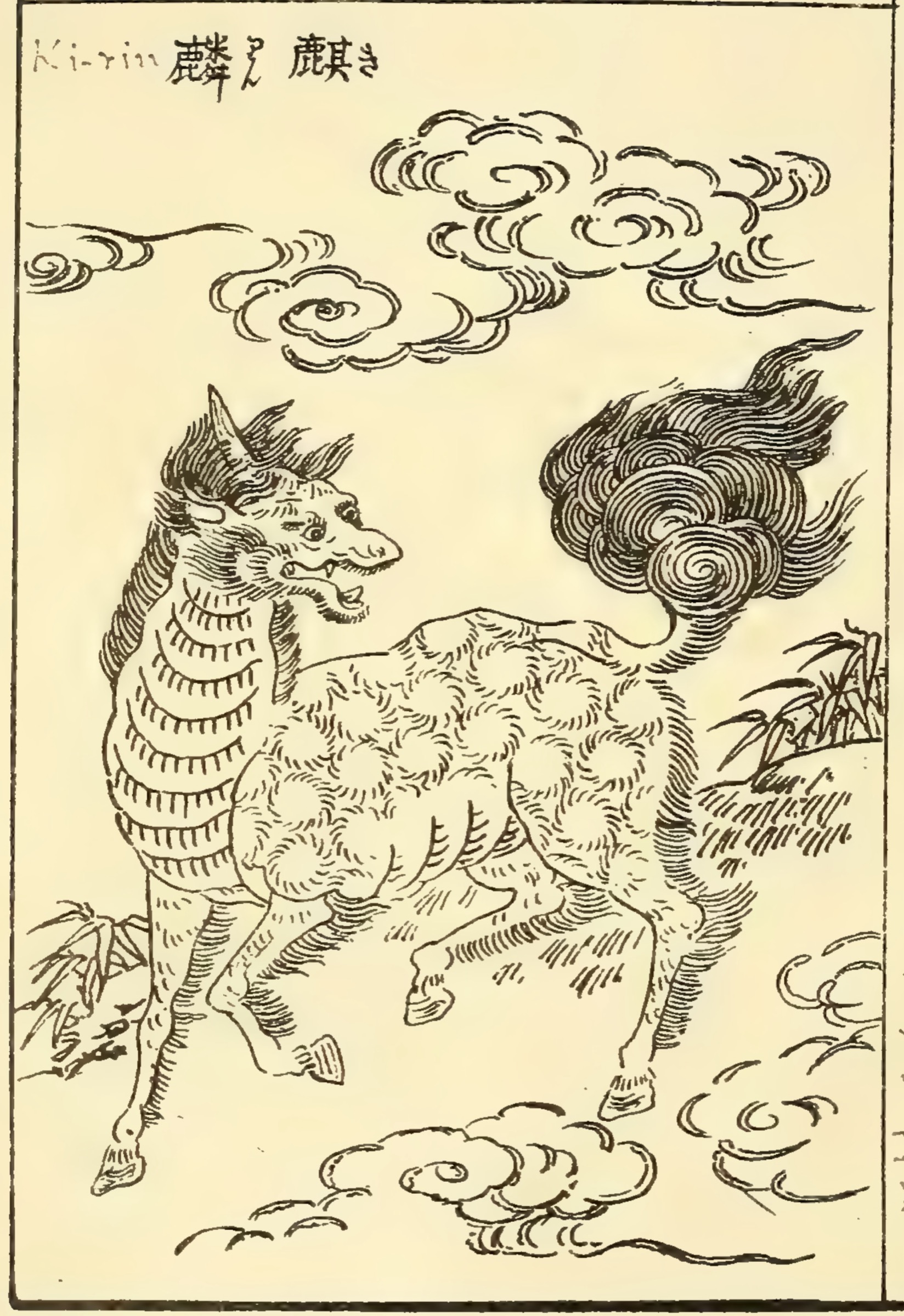
Kirin
kirin
The supreme auspicious beast of East Asian tradition — a chimeric creature with a dragon's scales and a deer's grace that heralds the reign of a virtuous ruler.
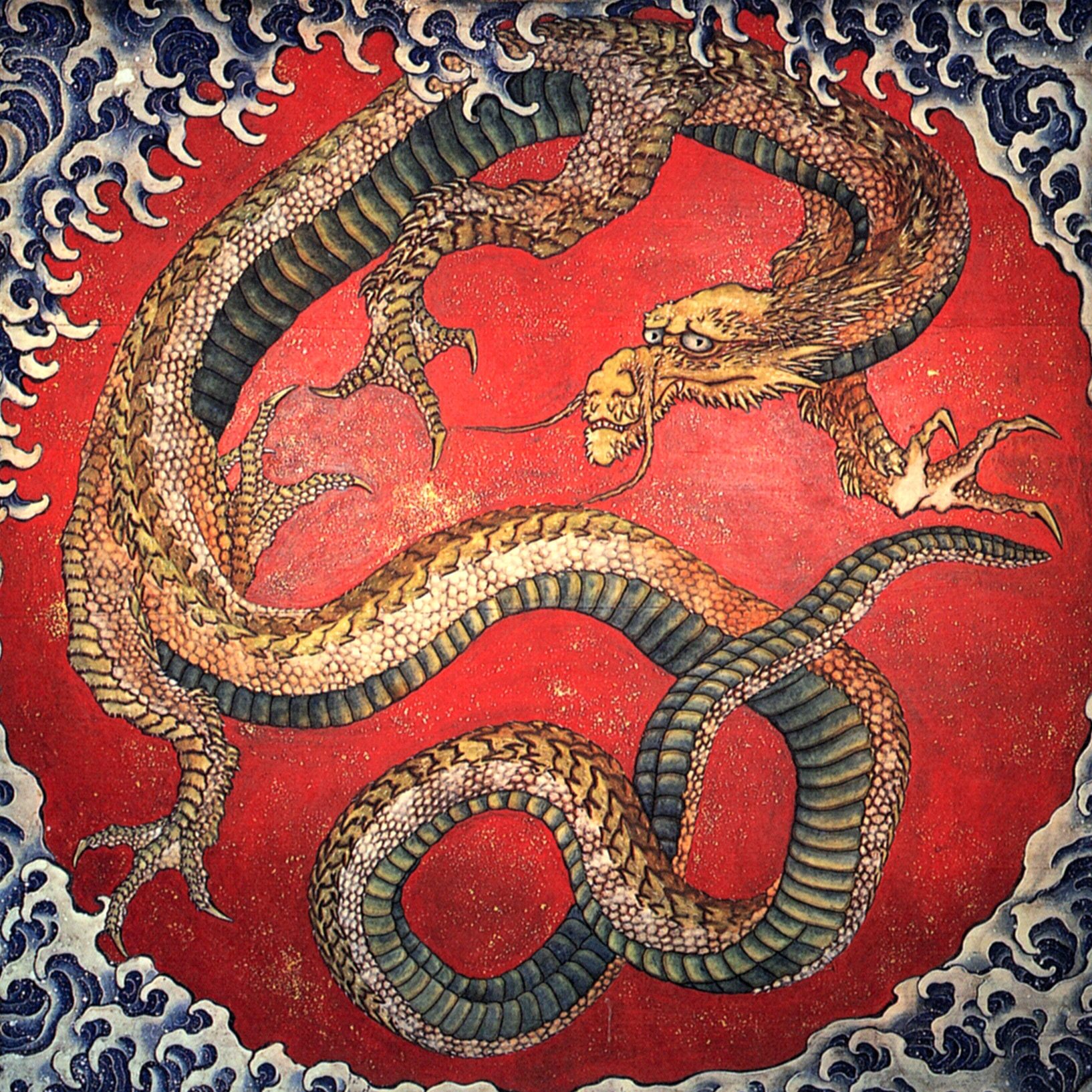
Ryū
ryu
The sacred water-dragon of Japan — a fusion of imported Chinese dragon lore and indigenous serpent deity worship that became the guardian of seas, rivers, and rain.