Kirin
kirin
Also known as: Qilin、Chinese Unicorn
The supreme auspicious beast of East Asian tradition — a chimeric creature with a dragon's scales and a deer's grace that heralds the reign of a virtuous ruler.
- Era
- Ancient
- Region
- Nationwide
- Type
- Divine Beasts
Overview
The kirin (known as the qilin in Chinese) is one of the four great sacred creatures of East Asian cosmology, alongside the dragon, the phoenix, and the tortoise. Its appearance was considered the highest of all omens — a sign that a truly virtuous sovereign was ruling or about to reign, and that an age of peace and prosperity was at hand. Unlike most supernatural beings, the kirin was not feared; it was desperately hoped for. Its absence from an era was itself a portent of darkness.
Appearance
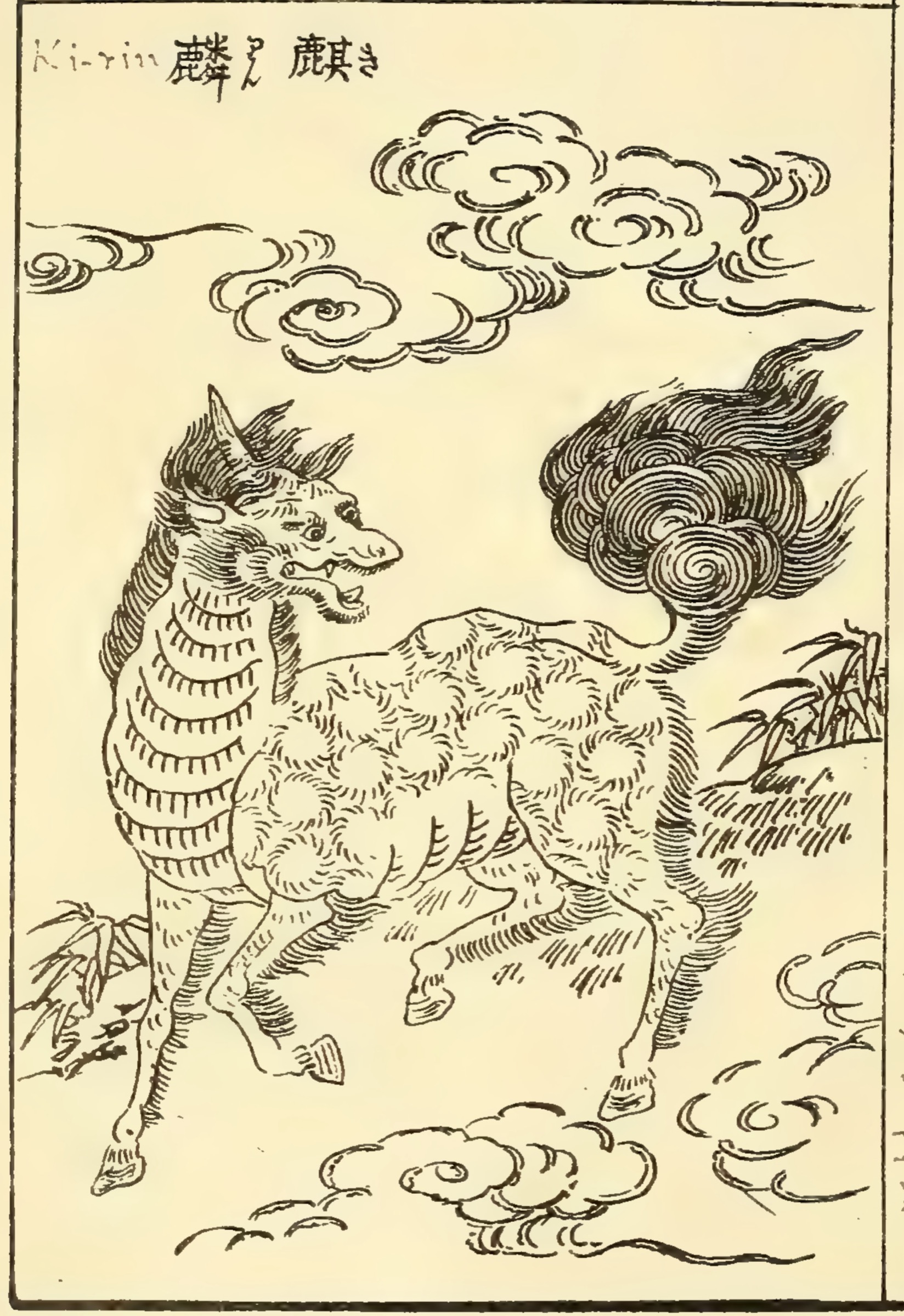
The kirin is a chimeric creature composed of the finest qualities of many animals. It has the body of a large deer, covered with the scales of a dragon; the hooves of a horse; the tail of an ox; and a single fleshy horn on its head (notably soft-tipped rather than sharp, reflecting its gentle nature). Its body is said to glow in the five sacred colors — blue, red, yellow, white, and black — or to shine in gold and crimson. In motion, it walks so lightly that it does not bend a blade of grass beneath its feet, and it never harms a living creature.
The Kirin as Moral Barometer
The kirin's defining characteristic is not its appearance but its ethical nature. It embodies perfect benevolence (ren in Chinese, jin in Japanese), and it appears only when human civilization achieves a corresponding level of virtue. Chinese historical texts record that a kirin appeared at the birth of Confucius, marking the arrival of the greatest sage of the ancient world. Its death, captured and killed by hunters who did not recognize its significance, was said to have broken Confucius's heart. In Japan, the kirin was adopted into the imperial symbolism of virtue and right rulership from the Nara period onward.
Modern Legacy
In contemporary Japanese, "kirin" has come to mean the African giraffe — the long-necked animal was named for its resemblance to the mythological creature when first introduced to Japan in the late Edo period. The internationally famous KIRIN beer brand takes its name and logo from the divine beast, one of many ways the kirin has survived into modern commercial culture. The name retains its original aura of auspiciousness and splendor even in these secular contexts.
Sources
- 『Wakan Sansai Zue』 Terajima Ryōan (1713)
- 『Shanhaijing』 Ancient Chinese Classic (-300)
Related Yokai
Hakutaku
hakutaku
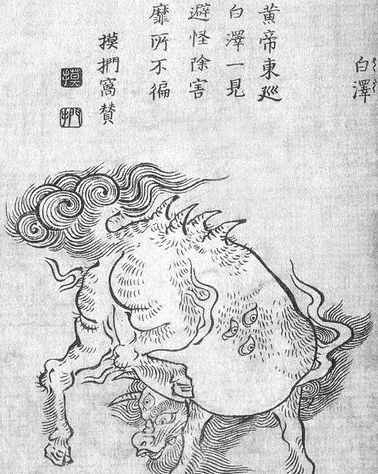
A legendary Chinese divine beast that appeared before the Yellow Emperor and recited the names and natures of all supernatural beings in existence — the original encyclopedia of monsters.
Hō-ō
ho-o
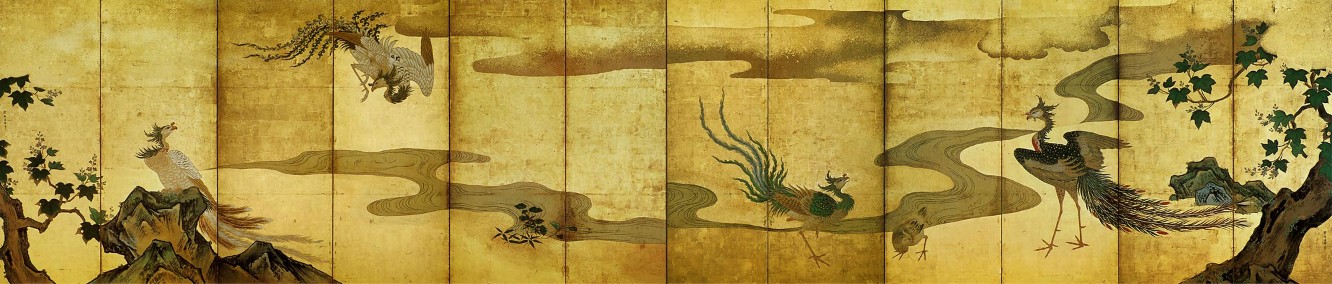
The undying divine bird of East Asian tradition, whose appearance heralds a virtuous reign — it perches only in the paulownia tree, drinks only pure water, and eats only bamboo fruit.
Ryū
ryu
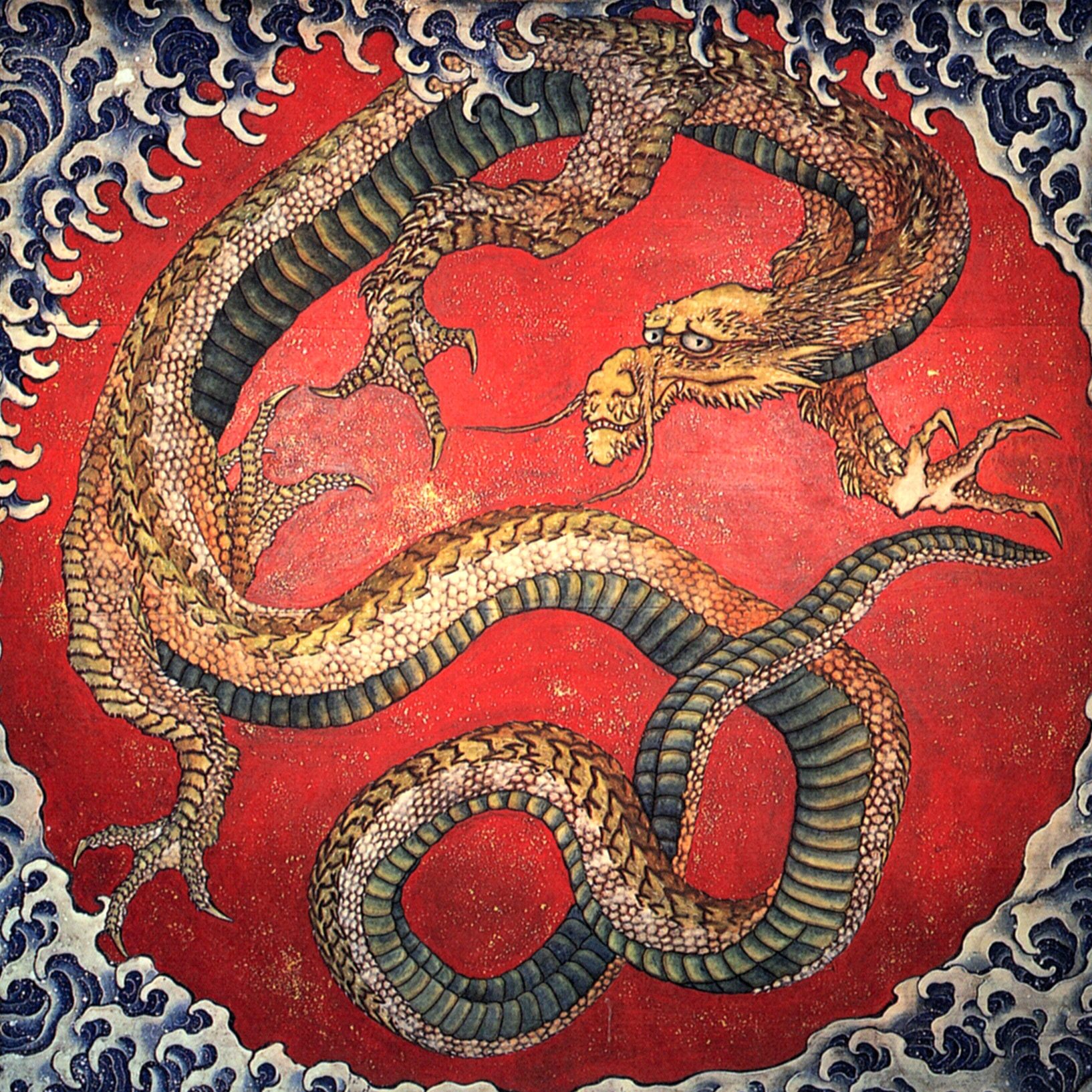
The sacred water-dragon of Japan — a fusion of imported Chinese dragon lore and indigenous serpent deity worship that became the guardian of seas, rivers, and rain.