
Jubokko
jubokko
Also known as: Blood-Drinking Tree、Battlefield Tree
A tree that grew on an ancient battlefield, absorbed so much spilled blood that it became a yokai — now luring travelers close and draining them dry with its grasping branches.
- Era
- Muromachi Period
- Region
- Nationwide
- Type
- Mountain Yokai、Undead
Overview
The jubokko is a yokai that takes the form of an ordinary-looking tree growing on the site of an ancient battle. The tree absorbed so much human blood from the battlefield soil over the centuries that it became animated, developing a predatory hunger for more. Travelers who wander too close find themselves seized by the branches, which move with serpentine speed and strength. Once caught, the victim is held fast while the tree drains their blood. The bones of previous victims may hang among the branches, a grim testament to the tree's long history of predation.
Appearance and Behavior
The jubokko's most dangerous quality is that it looks entirely like a normal tree. During the day, it is indistinguishable from any woodland tree. It is only when a potential victim comes within reach that its branches begin to move with unnatural purpose, reaching and coiling like enormous tentacles. The creature is said to be found specifically in places where major battles were fought — the Muromachi period, with its decades of civil war and bloodshed, created many such sites across Japan. A jubokko can sometimes be identified by the faint smell of blood in the air nearby, or by the unusual number of withered or skeletal remains caught in its canopy.
Pollution, Blood, and the Supernatural
The jubokko's origin in battlefield pollution reflects the Japanese concept of kegare — ritual impurity accumulated through contact with death, blood, and violence. A site of mass killing becomes so saturated with kegare that it permanently transforms the natural environment around it. Plants that root in such soil take up not just water and nutrients but the accumulated spiritual corruption of hundreds of violent deaths, eventually crossing a threshold into active supernatural predation. This belief reflects a broader Japanese sense that spiritual contamination is a real, persistent force that the living must actively manage through purification rituals.
Blood-Drinking Trees Across Cultures
The motif of a blood-drinking or carnivorous tree appears in folk traditions around the world, from the man-eating trees of African legend to the carnivorous plants of modern fiction. The jubokko is Japan's contribution to this global folklore type, distinguished by its specific connection to the trauma of warfare rather than to natural predation. As a monster born directly from human violence against other humans, the jubokko functions as a kind of ecological conscience — a warning that the costs of war do not end when the battle is over, but persist in the landscape for generations.
Sources
- 『Yokai Dangi』 Kunio Yanagita (1956)
Related Yokai
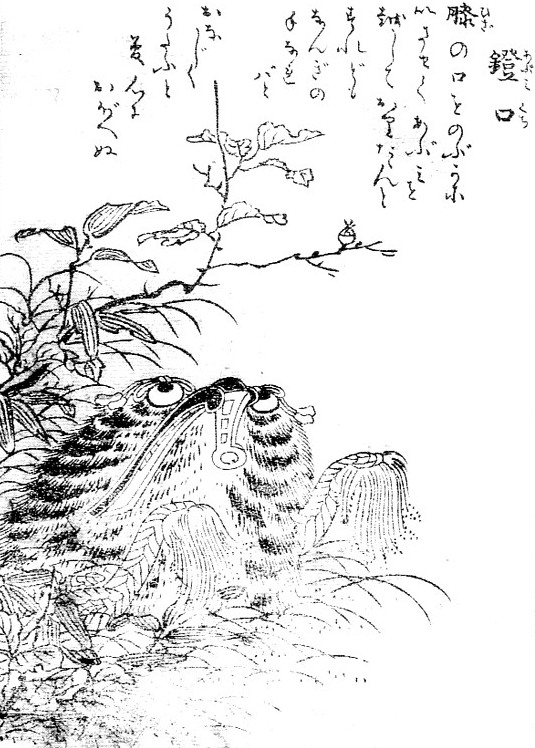
Abumi-guchi
abumi-guchi
A tsukumogami born from a horse's stirrup abandoned on a battlefield, still waiting for the master who never returned — grief and loyalty made monstrous.
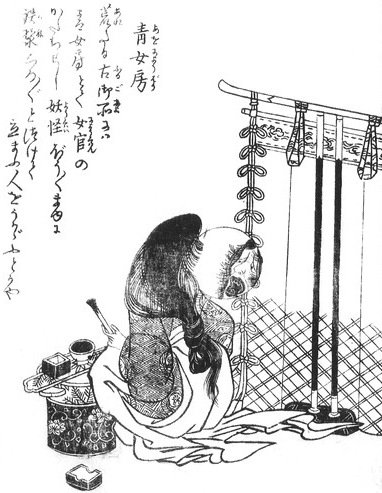
Aonyōbō
aonyobo
The spirit of a Heian court lady who haunts ruined aristocratic mansions, still applying her blackened teeth makeup centuries after her death.
Azuki-Babaa
azuki-babaa
A dangerous old-woman yokai who scrapes azuki beans in mountain streams. Related to the azuki-arai but more specifically formed and more actively threatening.