Kappa
kappa
Also known as: kawappa、gataro、Kahaku
A water yokai with a dish atop its head, pulling horses and people into rivers.
- Era
- Heian Period
- Region
- Nationwide
- Type
- Water Yokai
Overview
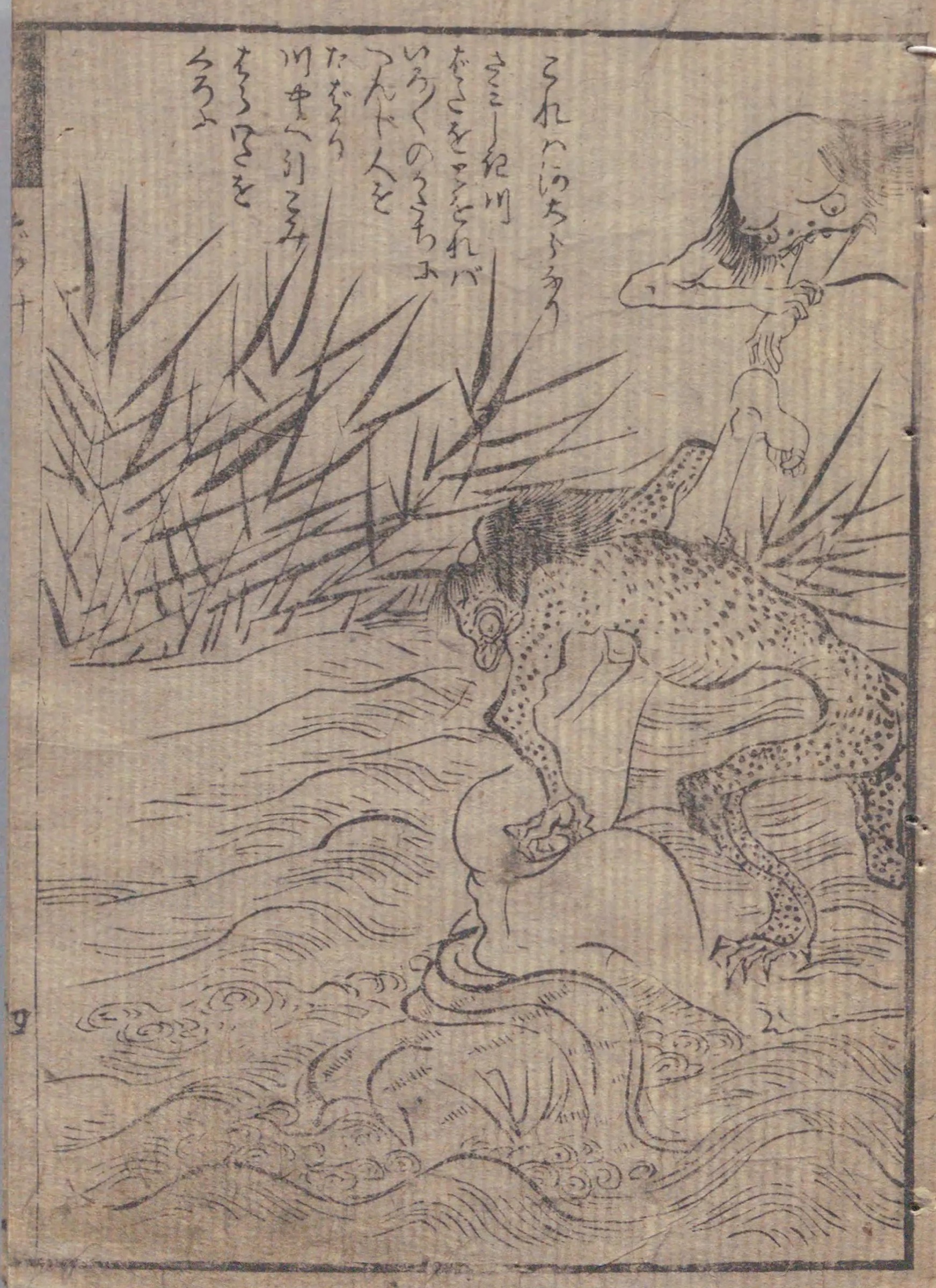
The kappa is one of Japan's most recognized water spirits, said to inhabit rivers, swamps, and ponds across the country. Its most distinctive feature is a dish-shaped depression on top of its head that holds water — if the dish dries out or cracks, the kappa loses its power.
Appearance
Kappa are typically described as humanoid creatures about the size of a child, with green or reddish skin, webbed hands and feet, and a shell like a turtle's on their back. Their beaked mouths and fish-like smell complete the unsettling picture.
Behavior and Folklore
Kappa are known for dragging horses and cattle — and sometimes people — underwater to steal the mythical "shirikodama" (a ball said to reside in the anus). However, kappa also possess a strong sense of honor. If you bow to a kappa, it must bow back, spilling the water from its head dish and losing its strength. Tales of captured kappa offering medical knowledge (especially bone-setting remedies) in exchange for release are found throughout Japan.
Regional Variation
The creature is known by dozens of regional names — "kawappa" and "gataro" in eastern Japan, "kawatarō" and "enko" in the west. Kunio Yanagita's 1910 collection Tōno Monogatari preserves particularly vivid kappa legends from Iwate Prefecture.
Cultural Significance
Today the kappa remains a beloved figure in Japanese popular culture, appearing in anime, games, and public safety campaigns warning children about river dangers.
Sources
- 『Gazu Hyakki Yagyō』 Toriyama Sekien (1776)
- 『Tōno Monogatari』 Kunio Yanagita (1910)
Related Yokai
Abumi-guchi
abumi-guchi
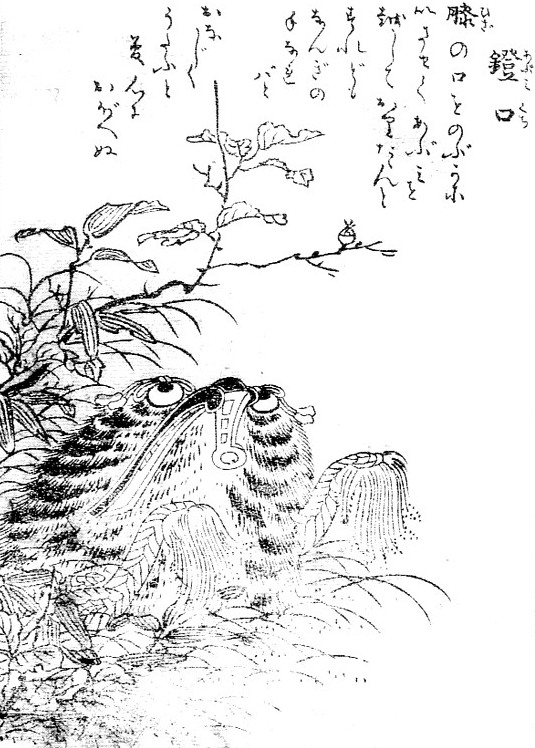
A tsukumogami born from a horse's stirrup abandoned on a battlefield, still waiting for the master who never returned — grief and loyalty made monstrous.
Aka-name
aka-name
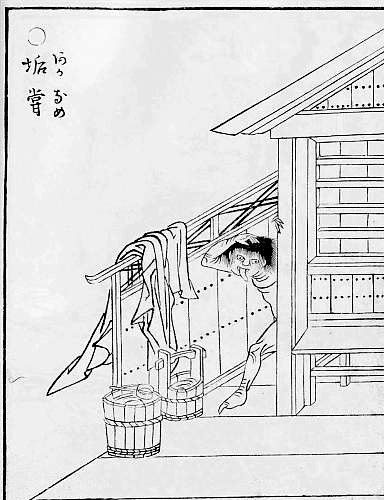
A yokai that visits neglected bathrooms to lick up the accumulated grime and scum — harmless to people, but a vivid supernatural reminder to keep the bath clean.
Amabie
amabie
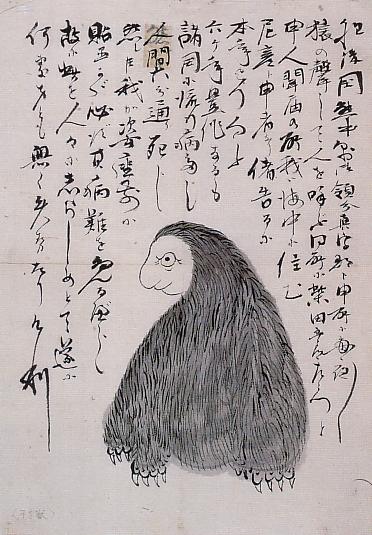
An 1846 sea spirit that foretold plague, asking its image be shown to the sick.