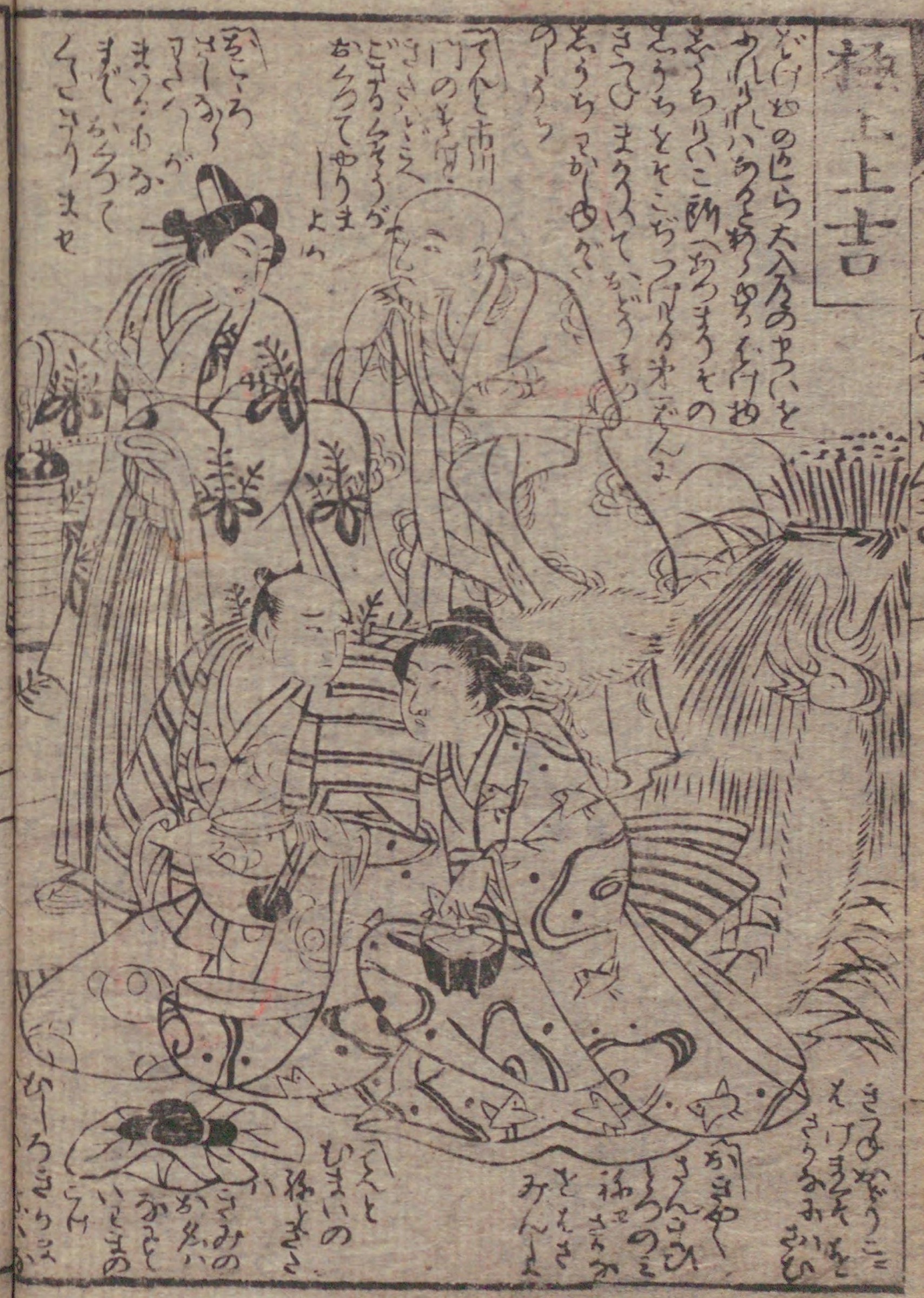
Kitsune
kitsune
Also known as: Fox Spirit、Nine-tailed Fox
A fox spirit growing more tails with age: divine messenger and wily trickster.
- Era
- Heian Period
- Region
- Nationwide
- Type
- Animal Yokai
Overview
The kitsune (fox) occupies a uniquely complex position in Japanese supernatural lore — simultaneously a divine messenger of the grain deity Inari and a dangerous trickster who seduces and ruins humans. A fox gains one new tail for every century of life; at nine tails it achieves near-divine status.
Shapeshifting and Deception
Kitsune are the supreme shapeshifters of Japanese legend, most often taking the form of beautiful women. Stories of fox wives who marry unwitting men and bear children before their animal nature is revealed (kitsune no yomeiri) are found across the country. A fox's disguise typically fails in the presence of dogs or when reflected in water.
The Nine-Tailed Fox: Tamamo-no-Mae
Japan's most famous kitsune legend follows a golden nine-tailed fox that traveled from India to China to Japan, taking the form of a court lady named Tamamo-no-Mae. She became the favorite of Emperor Toba, slowly draining his life force, until the yin-yang master Abe no Yasunari exposed her. She fled to the Nasu plains, where she was hunted down and — in death — became the "Killing Stone" (sessho-seki), poisoning all who drew near.
Inari's Messenger
White foxes serve Inari, Japan's deity of rice, sake, and prosperity. The approximately 30,000 Inari shrines nationwide feature paired fox statues at their gates, one holding a key (to the rice storehouse) and the other a jewel (of wisdom).
Cultural Reach
Kitsune appear in Kabuki (Yoshitsune Sembon Zakura), literature, and modern anime and games, typically as wise, powerful, and morally ambiguous figures.
Sources
- 『Konjaku Monogatarishū』 Unknown (1120)
- 『Tamamo no Mae Monogatari』 Unknown (室町時代)
Related Yokai
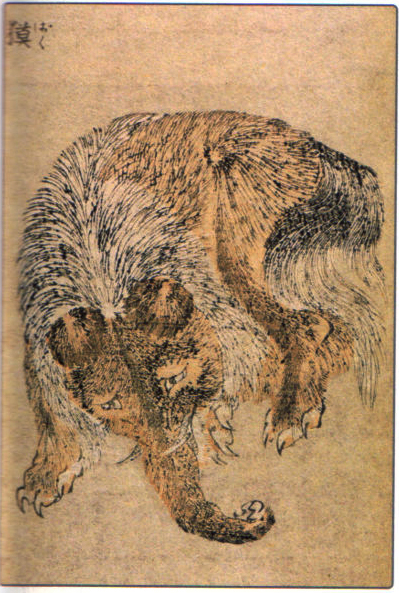
Baku
baku
A chimeric dream-eater invoked after nightmares to consume ill omens.
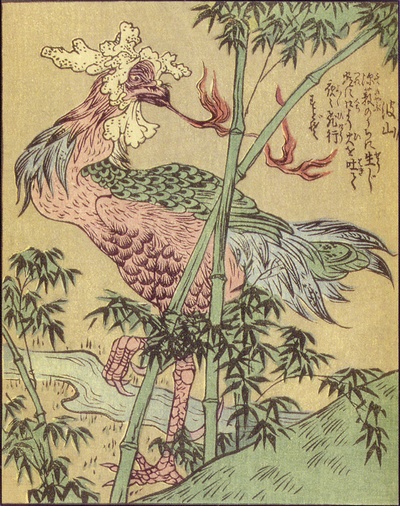
Basan
basan
A fire-breathing rooster yokai from the Kinki and Chūgoku regions of Japan. It appears at night with a distinctive flapping sound, breathes flames, and vanishes before anyone can get a clear look at it.

Futa-kuchi-onna
futa-kuchi-onna
A woman with a second mouth on the back of her head that secretly consumes food, with hair that moves like a snake to feed it.