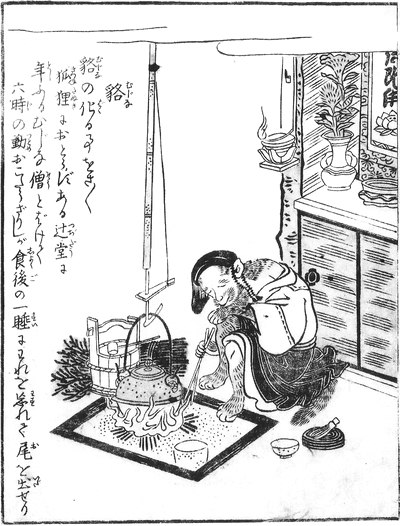
Mujina
mujina
Also known as: Badger Shapeshifter、Faceless Ghost
An old Japanese term for badger or tanuki that became associated with a shape-shifting yokai capable of assuming human form. The mujina is especially famous through the "noppera-bo" (faceless ghost) tales popularized by Lafcadio Hearn.
- Era
- Unknown
- Region
- Nationwide
- Type
- Animal Yokai
Overview
Mujina is an old Japanese term for the badger (Meles meles anakuma), but it has long been intertwined with the folk traditions of shape-shifting animals, particularly the tanuki and the fox. In many regions of Japan, "mujina" was used interchangeably with "tanuki," and the two creatures were conflated in popular belief. As a supernatural entity, the mujina is best known for its ability to transform into human beings with such perfection that they are indistinguishable from real people — until, at a critical moment, they reveal a face with no features whatsoever.
The Noppera-bo Connection
The mujina's most enduring role in Japanese ghost lore is its connection to the noppera-bo — the faceless ghost. The classic encounter follows a consistent pattern: a traveler meets a person on a lonely road at night, typically a woman or a lone man. Something seems slightly off about the person, and when the traveler looks more closely or calls out to them, the figure turns to reveal a face that is completely smooth — no eyes, no nose, no mouth, just blank skin. The traveler flees in terror and finds refuge with another person, only to have that person turn around and reveal the same featureless face.
Lafcadio Hearn's retelling of this story in his collection Kwaidan (1904) brought the tale to international audiences and secured the mujina's place in global ghost story tradition. Hearn's version is set in Tokyo and features the featureless apparition at the moat of the imperial palace — a location chosen to anchor the supernatural tale in recognizable urban geography.
Shapeshifting Traditions
The mujina's ability to shapeshift connects it to the broader Japanese tradition of "henge" — animals that transform into human form after living long enough or accumulating sufficient supernatural power. Foxes, tanuki, cats, and badgers are all considered capable of this transformation in Japanese folk belief. The mujina's particular specialty in creating faceless duplicates of people may derive from the idea that it can copy external appearances but cannot replicate the inner spiritual essence — resulting in a perfect physical duplicate that is hollow at its core.
Cultural Significance
The mujina and noppera-bo tradition remains one of Japan's most recognizable ghost story types. The faceless figure has appeared in countless horror films, manga, and games, often updated for contemporary settings. The fundamental dread it evokes — encountering something that looks human but is fundamentally not — resonates across cultures as one of the most primal forms of uncanny horror.
Sources
- 『Kasshi Yawa』 Matsura Seizan (1821)
- 『Konjaku Monogatarishu』 Unknown (1120)
Related Yokai
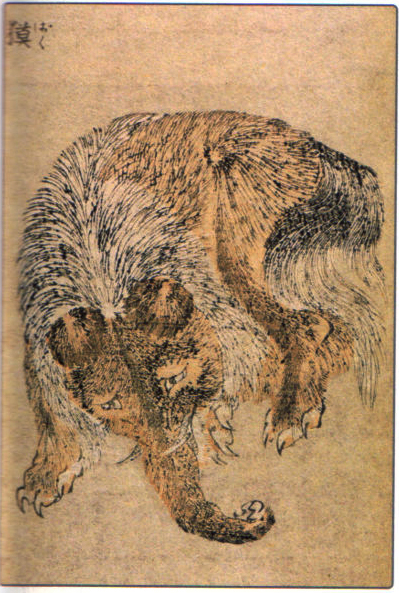
Baku
baku
A chimeric dream-eater invoked after nightmares to consume ill omens.
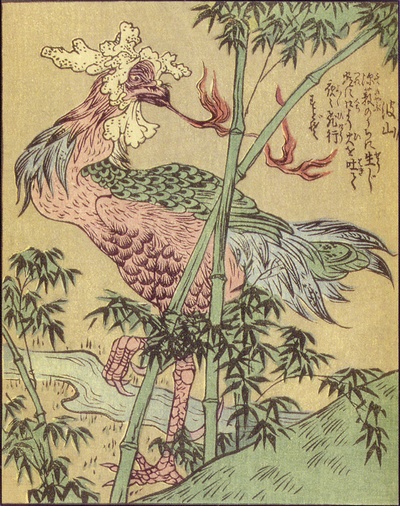
Basan
basan
A fire-breathing rooster yokai from the Kinki and Chūgoku regions of Japan. It appears at night with a distinctive flapping sound, breathes flames, and vanishes before anyone can get a clear look at it.
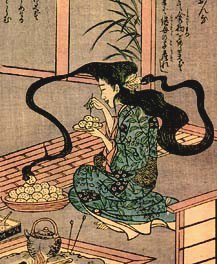
Futa-kuchi-onna
futa-kuchi-onna
A woman with a second mouth on the back of her head that secretly consumes food, with hair that moves like a snake to feed it.