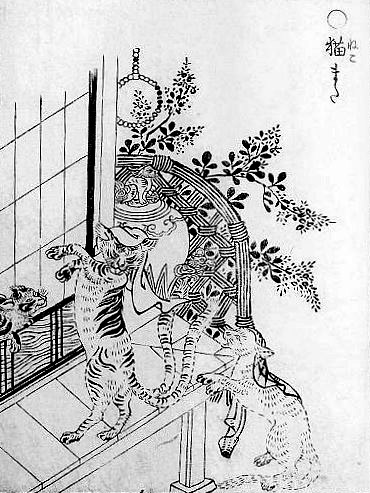
Nekomata
nekomata
Also known as: Forked-tail Cat
An old cat with a forked tail; shapeshifter, fire-wielder, animator of corpses.
- Era
- Kamakura Period
- Region
- Nationwide
- Type
- Animal Yokai
Overview
The nekomata is a supernatural cat born from extreme old age. As a cat lives for decades, its tail slowly splits in two — the moment of forking marks its transformation into a yokai. It can then walk upright, speak human language, control fire, and animate corpses.
Early Accounts
Yoshida Kenkō's 14th-century essay Tsurezuregusa mentions "nekomata" as fearsome mountain beasts that eat people. Over time the legend shifted: instead of a wild mountain predator, the nekomata became the transformed household cat — familiar yet uncanny.
Powers
- Shape-shifting: can perfectly mimic human women
- Necromancy: corpses it steps over — or is placed near — rise and dance (neko-mata funeral panic)
- Fire: said to conjure ghostly flames (kitsunebi-style)
- Lifespan: the older the cat, the more powerful
Cultural Context
Japanese tradition long held that cats held mysterious power. The same feline energy that made them beloved mousers and good-luck symbols (maneki-neko) made them objects of suspicion in old age. Keeping a cat too long was considered risky, and some households reportedly kept cats from growing old enough to transform.
Legacy
The nekomata remains a staple of Japanese horror and fantasy, often depicted as a seductive woman with cat ears and twin tails. It is the ancestor of the "bakeneko" (monster cat) genre of Edo-period ghost stories and Kabuki plays.
Sources
- 『Gazu Hyakki Yagyō』 Toriyama Sekien (1776)
- 『Tsurezuregusa』 Yoshida Kenkō (1330)
Related Yokai
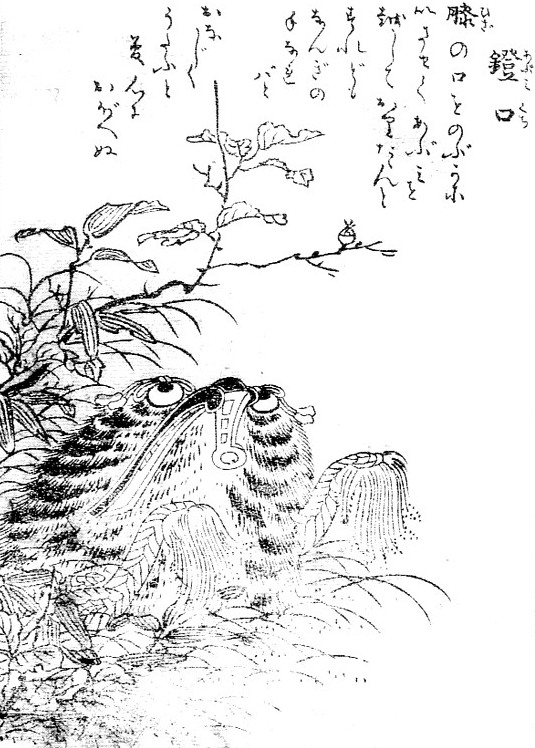
Abumi-guchi
abumi-guchi
A tsukumogami born from a horse's stirrup abandoned on a battlefield, still waiting for the master who never returned — grief and loyalty made monstrous.
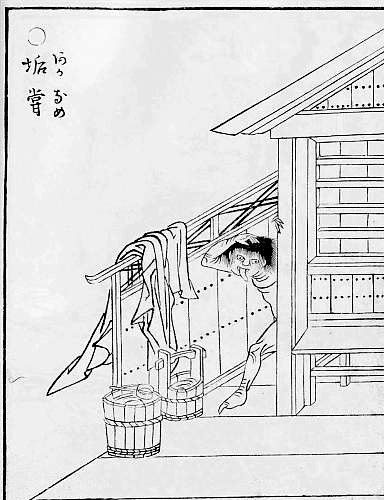
Aka-name
aka-name
A yokai that visits neglected bathrooms to lick up the accumulated grime and scum — harmless to people, but a vivid supernatural reminder to keep the bath clean.
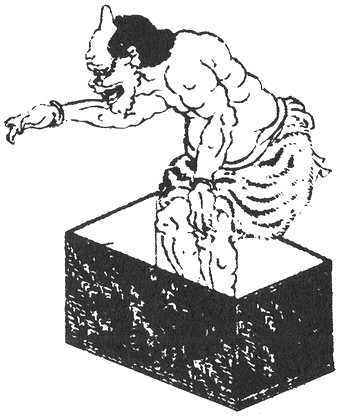
Amanojaku
amanojaku
A small, perverse demon that reads human hearts and does the opposite of what is desired. Famous as the villain of folk tales like Uriko-hime, and depicted in Buddhist sculpture as a creature trampled underfoot by guardian deities.