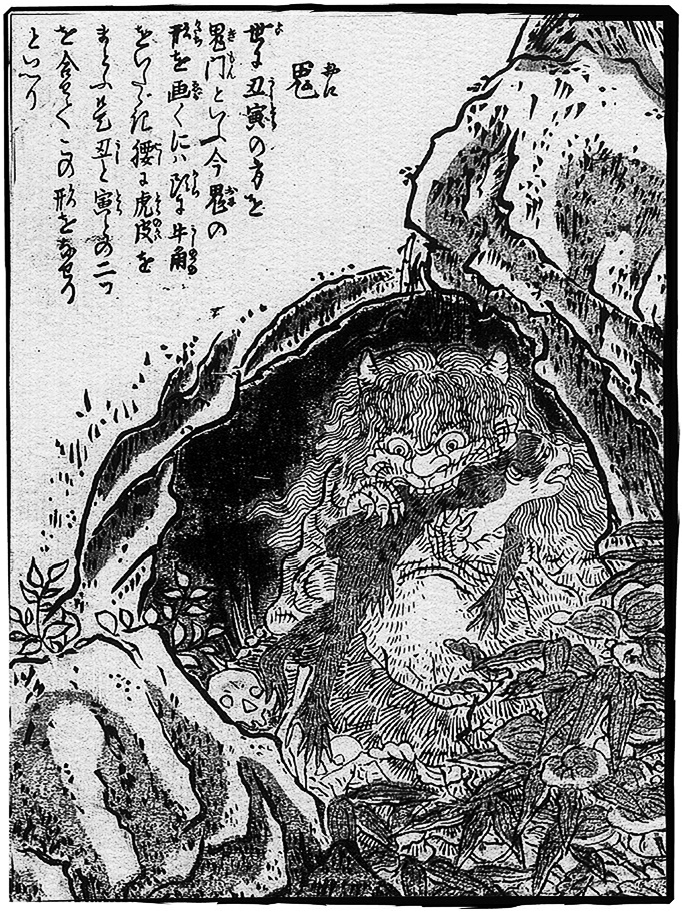
Oni
oni
Also known as: Demon、Ogre
Horned club-wielding demons: hell's jailers and Japan's most iconic monsters.
- Era
- Ancient
- Region
- Nationwide
- Type
- Oni
Overview
The oni is Japan's archetypal demon — a massive, horned figure in tiger-skin loincloth, wielding an iron club. Red or blue in color, with wild eyes and fangs, oni embody brute supernatural force. They are Japan's most pervasive supernatural beings, woven into religion, folk custom, and daily language for over a millennium.
Origins
The word oni likely derives from onu ("hidden"), originally denoting invisible malevolent forces or the spirits of the dead. Chinese Buddhist concepts of hell-guardians (the yasha and rasetsu) merged with native Japanese beliefs, producing the iconic horned demon. Early texts such as the Nihon Shoki mention oni in the context of disease and calamity.
Roles in Tradition
Oni serve as hell's jailers, torturing sinners under the authority of King Enma (the judge of the dead). On earth, they appear as fearsome raiders — the Setsubun festival's cry of "Oni wa soto! Fuku wa uchi!" ("Demons out! Fortune in!") reenacts their ritual expulsion every February.
Famous Oni
The demon lord Shuten-dōji of Mount Ōe, said to lead a band of oni who terrorized the capital, was slain by the hero Minamoto no Raikō. His lieutenant Ibaraki-dōji is equally celebrated in Noh and Kabuki.
Complexity and Sympathy
Not all oni are evil. Folktales like Naita Aka-oni ("The Red Oni Who Cried") portray oni as lonely, misunderstood beings yearning for human friendship. Regional figures such as Akita's Namahage are fearsome oni-like visitors who discipline lazy children but ultimately bring blessings.
Sources
- 『Gazu Hyakki Yagyō』 Toriyama Sekien (1776)
- 『Nihon Shoki』 Unknown (720)
Related Yokai
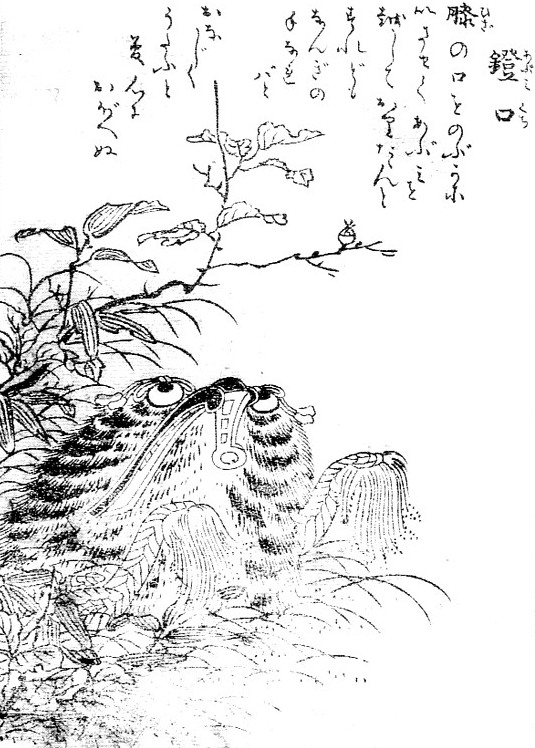
Abumi-guchi
abumi-guchi
A tsukumogami born from a horse's stirrup abandoned on a battlefield, still waiting for the master who never returned — grief and loyalty made monstrous.
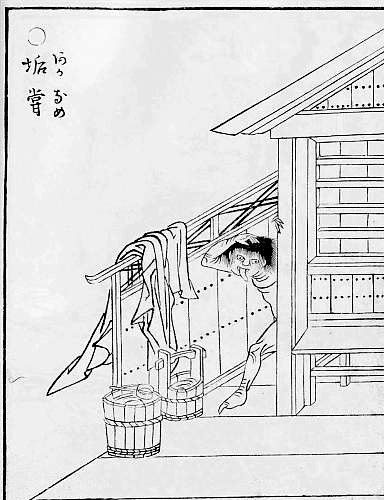
Aka-name
aka-name
A yokai that visits neglected bathrooms to lick up the accumulated grime and scum — harmless to people, but a vivid supernatural reminder to keep the bath clean.
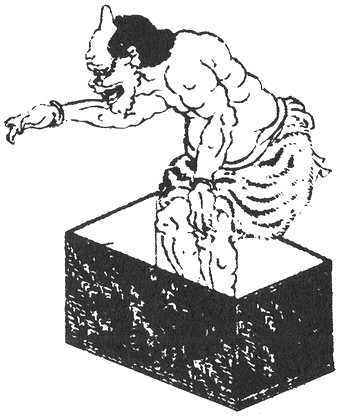
Amanojaku
amanojaku
A small, perverse demon that reads human hearts and does the opposite of what is desired. Famous as the villain of folk tales like Uriko-hime, and depicted in Buddhist sculpture as a creature trampled underfoot by guardian deities.