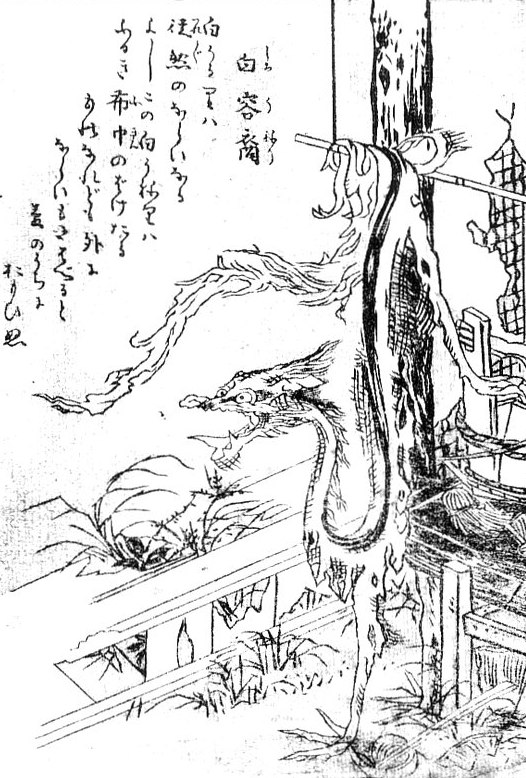
Shiro-uneri
shiro-uneri
Also known as: White Undulation、Rag Spirit
A tsukumogami born from an old household rag or dishcloth, animated as a sinuously writhing white cloth that joins the night parade of demons.
- Era
- Edo Period
- Region
- Nationwide
- Type
- Tsukumogami、House Yokai
Overview
Shiro-uneri is a tsukumogami — an animated spirit inhabiting an old object — that takes the form of an old household rag or cleaning cloth that has come to life. Depicted by Toriyama Sekien in his Gazu Hyakki Yagyō, it appears as a long, undulating white cloth with eyes, moving with a serpentine, wave-like motion. The name means roughly "white undulation," capturing both its pale color and its flowing, sinuous movement.
Appearance
Sekien's illustration shows a strip of old cloth, perhaps a dishcloth or cleaning rag, writhing through the air in an S-curve, with a pair of eyes appearing near what serves as its head. The cloth's texture suggests age and discoloration — something once white that has grown gray with accumulated grime. There is something simultaneously graceful and disturbing about its movement, like a ghost unmooring itself from the physical world while retaining the memory of its domestic function.
Cloth as Spiritual Material
In the Japanese tsukumogami tradition, textiles hold a special place. Cloth is the material most intimately connected with the human body — worn, touched, and used in the most personal acts of daily life. Garments, sashes, and cleaning cloths all appear as yokai in various traditions. The shiro-uneri represents a particular irony: the humblest textile, the rag used to wipe up dirt and messes, is the one that accumulates spiritual energy from its daily contact with impurity.
Purity, Impurity, and the Supernatural
Shiro-uneri's connection to old rags links it to the broader Japanese folk belief that the boundary between cleanliness and impurity (ke and kegare) is a site of supernatural power. Objects that have absorbed the accumulated dirt and residue of a household take on a kind of negative spiritual charge. This belief underlies several yokai associated with filth and decay — including the aka-name, which licks bathroom scum — and reflects an animistic worldview in which even the most neglected domestic object deserves respect and proper disposal.
Sources
- 『Gazu Hyakki Yagyō』 Toriyama Sekien (1776)
Related Yokai
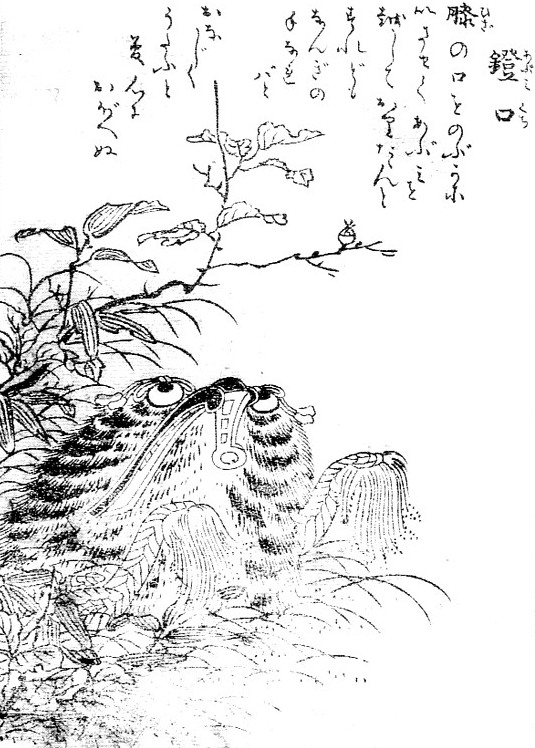
Abumi-guchi
abumi-guchi
A tsukumogami born from a horse's stirrup abandoned on a battlefield, still waiting for the master who never returned — grief and loyalty made monstrous.
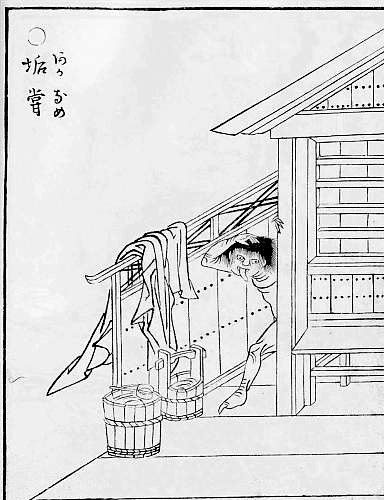
Aka-name
aka-name
A yokai that visits neglected bathrooms to lick up the accumulated grime and scum — harmless to people, but a vivid supernatural reminder to keep the bath clean.
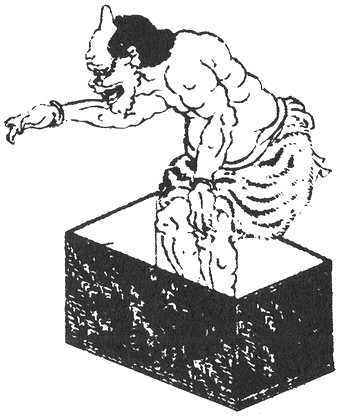
Amanojaku
amanojaku
A small, perverse demon that reads human hearts and does the opposite of what is desired. Famous as the villain of folk tales like Uriko-hime, and depicted in Buddhist sculpture as a creature trampled underfoot by guardian deities.