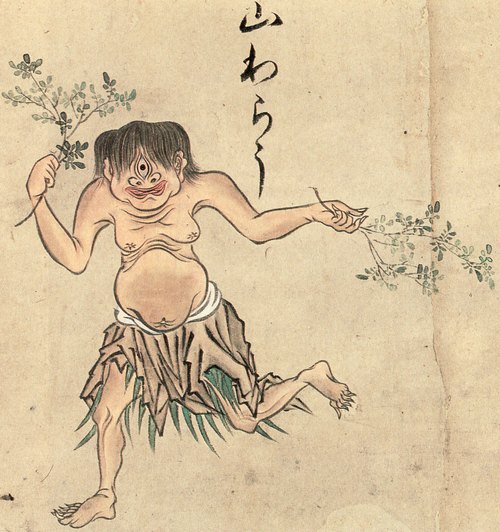
Yamawaro
yamawaro
Also known as: Mountain Child、Mountain Kappa
A child-like yokai inhabiting the mountains of Kyushu, Japan. It loves sumo wrestling, sometimes helps and sometimes harasses mountain workers, and is widely considered the mountain counterpart of the water-dwelling kappa.
- Era
- Unknown
- Region
- Kyushu
- Type
- Mountain Yokai、Animal Yokai
Overview
The yamawaro is a yokai associated with the mountain regions of Kyushu — particularly Kumamoto, Ōita, Miyazaki, and Kagoshima Prefectures. It appears as a child of about ten years old, reddish in skin tone, with a dish-shaped depression on its head similar to the water-dwelling kappa. The yamawaro shares many behavioral traits with the kappa as well: both love sumo wrestling, both are capable of helping or harming humans depending on how they are treated, and in some regional traditions the two are considered the same being in different seasonal forms. The yamawaro inhabits the mountains in summer and descends to rivers in winter, at which point it becomes a kappa.
Appearance
The yamawaro is described as child-sized but covered with reddish fur or hair, giving it a wilder, more animalistic appearance than a human child. Despite its small stature, it possesses extraordinary strength — able to match or defeat adult men in a wrestling bout. It moves quickly through the trees and underbrush of mountain forests and is rarely glimpsed directly. The dish on its head, shared with the kappa, is one of the clearest visual markers linking the two creatures in folk belief.
Sumo and Mountain Work
The yamawaro's most consistent trait across all regional traditions is its enthusiasm for sumo. Stories describe the creature appearing before woodcutters and charcoal makers working alone in the mountains and challenging them to a match. If the human wins decisively, the yamawaro may become resentful and cause trouble. If the human loses, similar problems arise. The safest outcome, according to folk wisdom, is a politely managed draw — allowing the yamawaro to feel it has acquitted itself well without being humiliated.
In some accounts, the yamawaro is a useful ally for mountain workers. Leaving a single boxed lunch (bento) out for the creature will result in a full day's worth of labor being completed: trees felled, charcoal stacked, paths cleared. This reciprocal arrangement reflects the broader Japanese tradition of propitiating mountain spirits in exchange for safety and productivity in the forest.
Relationship to the Kappa
The connection between the yamawaro and the kappa has been discussed extensively in Japanese folklore scholarship. Kunio Yanagita, in his Yōkai Dangi (1956), noted that certain areas of Kyushu explicitly understood the yamawaro and kappa as the same creature in its summer mountain form and winter river form respectively. This seasonal migration belief — mountain spirit in summer, water spirit in winter — connects to a wider pattern of Japanese folk belief in spirits that move between mountain and water realms in response to the seasons.
Kyushu's Distinctive Yokai Culture
The yamawaro is considered one of the signature yokai of Kyushu, a region that developed a distinctive folk culture tied to its rugged mountain interior. The Kuma district of Kumamoto Prefecture and the mountain areas of Ōita Prefecture are particularly rich in yamawaro tradition. Scholars of Japanese folklore have used the yamawaro as a case study in regional yokai variation, examining how the same underlying spirit concept takes on different names and characteristics across different parts of Japan's archipelago.
Sources
- 『Yōkai Dangi』 Yanagita Kunio (1956)
Related Yokai
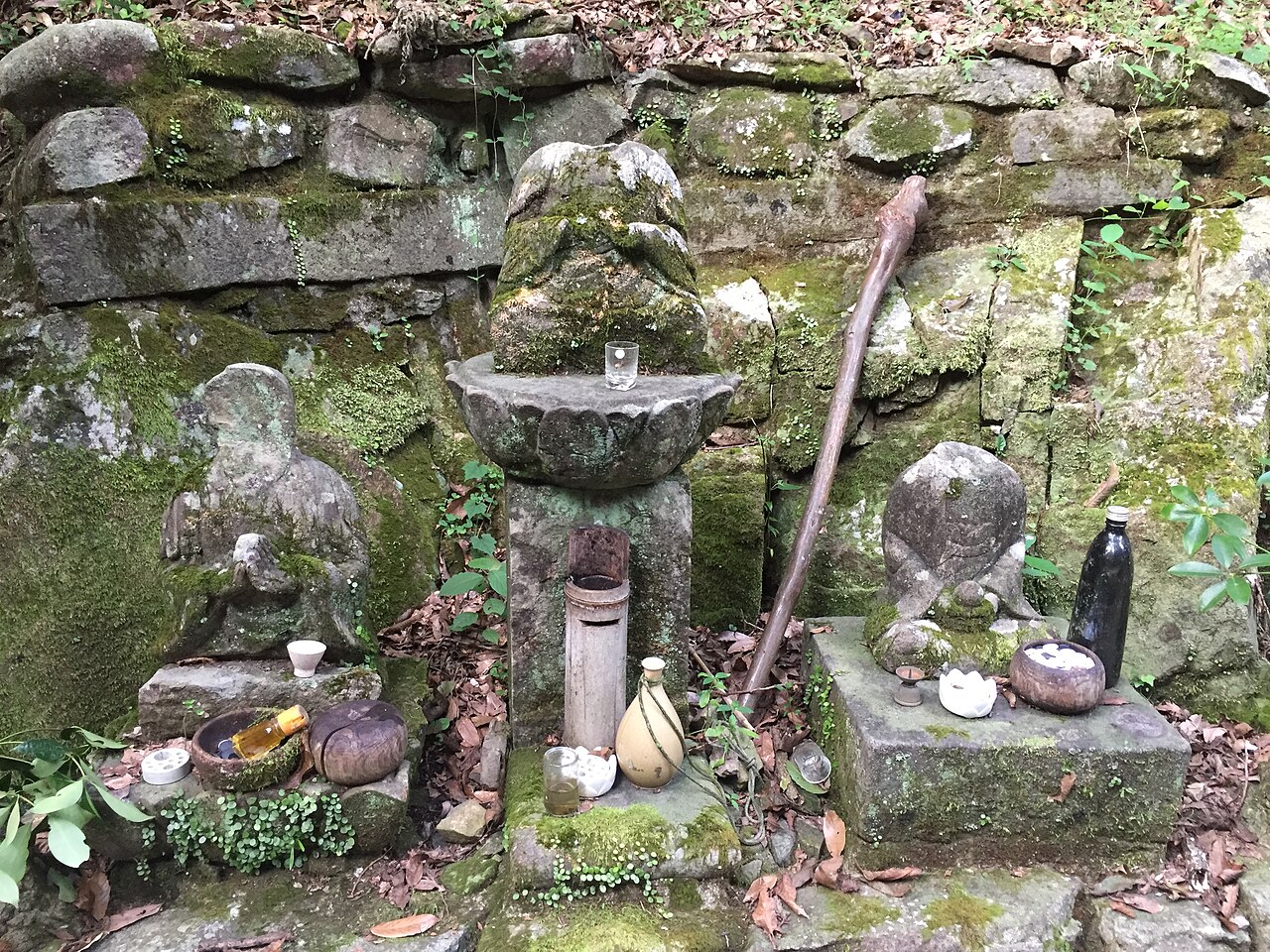
Abura-Sumashi
abura-sumashi
A straw-cloaked figure on a Kumamoto pass who declares his ancestor haunted it.

Azuki-Babaa
azuki-babaa
A dangerous old-woman yokai who scrapes azuki beans in mountain streams. Related to the azuki-arai but more specifically formed and more actively threatening.
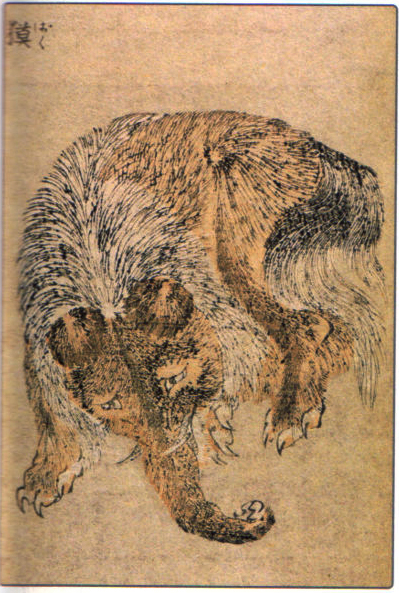
Baku
baku
A chimeric dream-eater invoked after nightmares to consume ill omens.