Collection
Tsukumogami Parade
A collection of tsukumogami — objects transformed into yokai after a century of use. These animated artifacts join the night parade of one hundred demons.
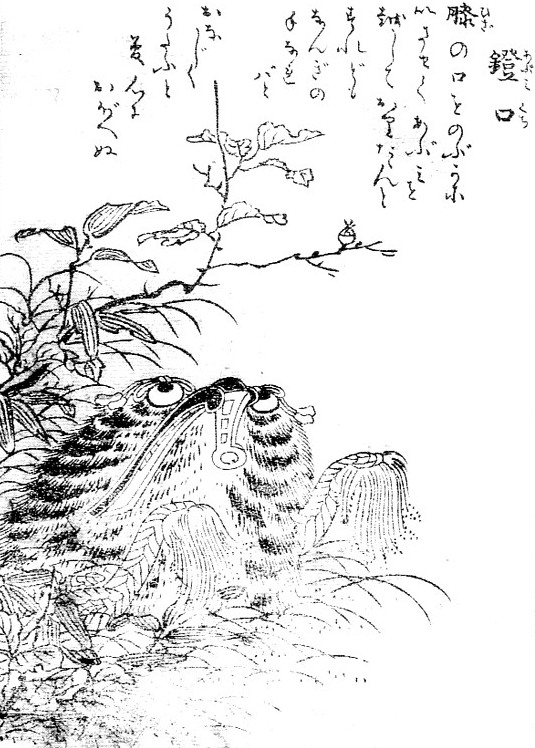
Abumi-guchi
abumi-guchi
A tsukumogami born from a horse's stirrup abandoned on a battlefield, still waiting for the master who never returned — grief and loyalty made monstrous.
Tsukumogami ParadeGazu Hyakki Yagyō
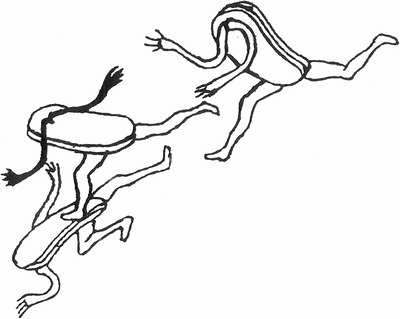
Bakezori
bakezori
A tsukumogami born from a worn-out straw sandal (zori) that wanders through houses at night, crying out a strange counting chant tied to its thong holes.
Tsukumogami Parade
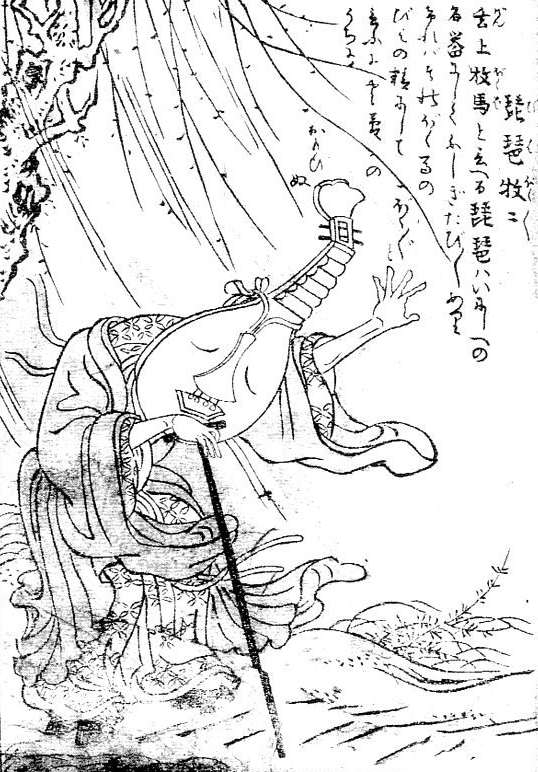
Biwa-bokuboku
biwa-bokuboku
A tsukumogami animated from an old biwa lute, said to play music by itself in the night — the soul of a player or the accumulated longing for music made manifest.
Tsukumogami ParadeGazu Hyakki Yagyō
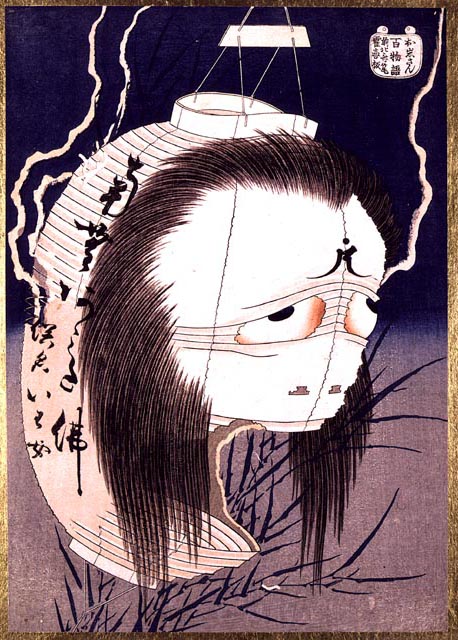
Chochin-obake
chochin-obake
A tsukumogami born from an old paper lantern, with a gaping mouth and single eye — a fixture of Edo-period ghost stories and candlelit horror gatherings.
Tsukumogami ParadeEdo Ghost Stories
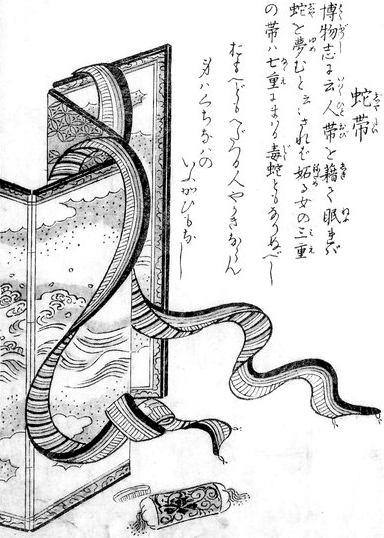
Jatai
jatai
A tsukumogami born when an old obi sash transforms into a serpent. Depicted in Toriyama Sekien's Hyakki Tsurezurebukuro, the jatai represents the intense emotions — longing, jealousy, obsession — that can animate a woman's most intimate garment.
Tsukumogami ParadeGazu Hyakki Yagyō
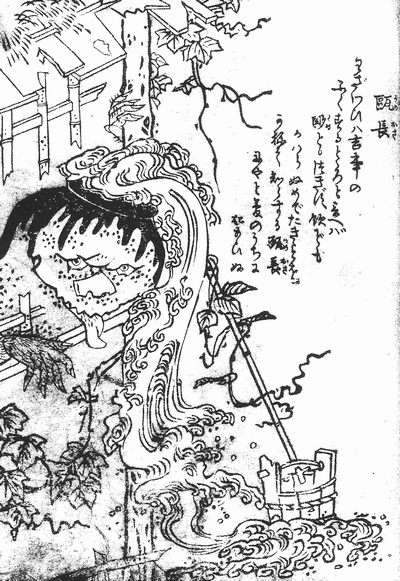
Kameosa
kameosa
A tsukumogami born from an old ceramic jar or sake vessel, joining the procession of the Hyakki Yagyō as one of many animated household objects.
Tsukumogami ParadeGazu Hyakki Yagyō
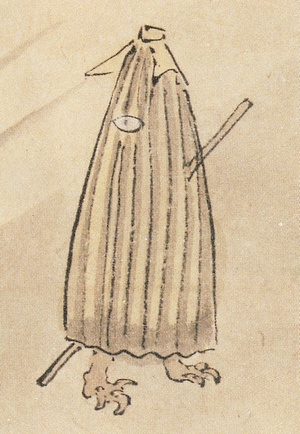
Kasa-obake
kasa-obake
A tsukumogami born from an old umbrella, recognizable by its single eye and one hopping leg — one of Japan's most iconic animated object spirits.
Tsukumogami Parade
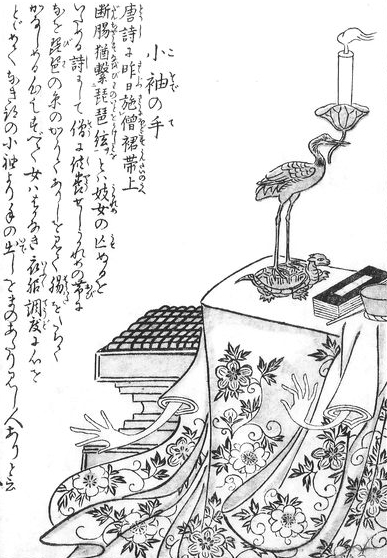
Kosode-no-te
kosode-no-te
A yokai in which a human hand emerges from the sleeve of an old kosode kimono — the spirit of a woman's attachment to her most treasured garment, persisting beyond death.
Tsukumogami Parade
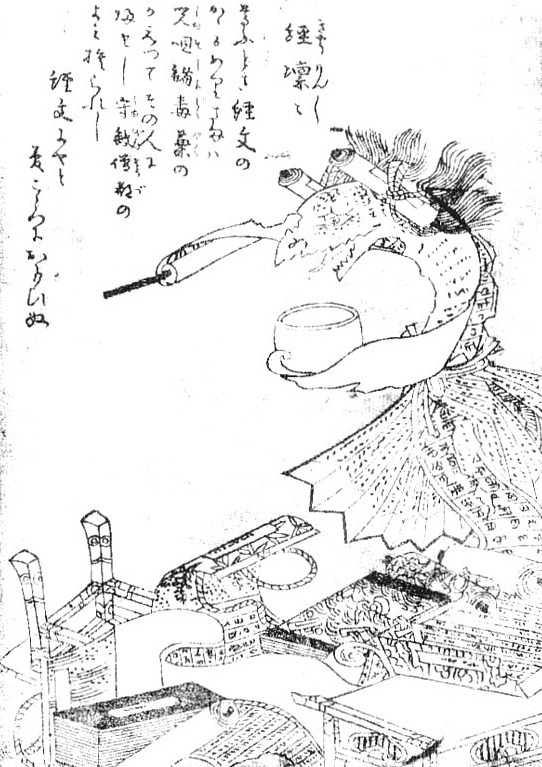
Kyorinrin
kyorinrin
A tsukumogami born from an old Buddhist sutra scroll, whose sacred characters come alive and whose scrolls chant on their own in empty temple halls at night.
Tsukumogami ParadeGazu Hyakki Yagyō
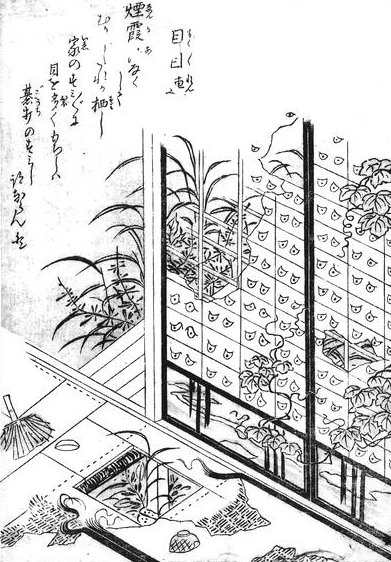
Mokumokuren
mokumokuren
A yokai that manifests as dozens of disembodied eyes appearing in the torn holes of old shoji screens and decayed walls of abandoned houses.
Tsukumogami ParadeGazu Hyakki Yagyō
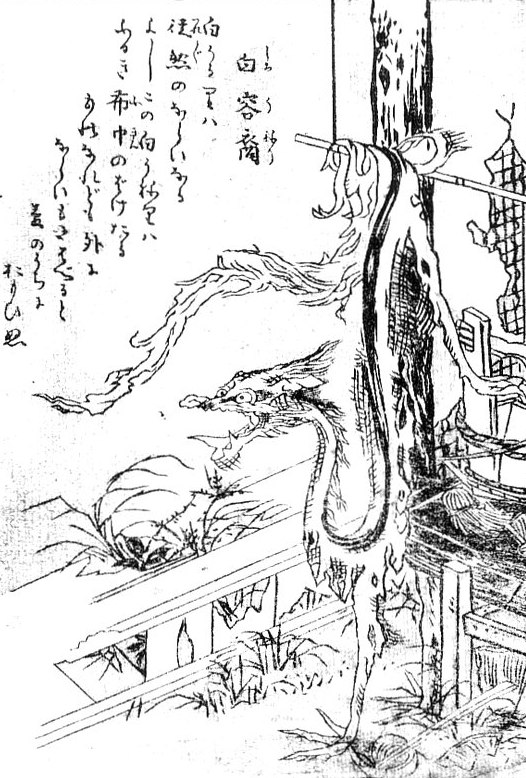
Shiro-uneri
shiro-uneri
A tsukumogami born from an old household rag or dishcloth, animated as a sinuously writhing white cloth that joins the night parade of demons.
Tsukumogami ParadeGazu Hyakki Yagyō
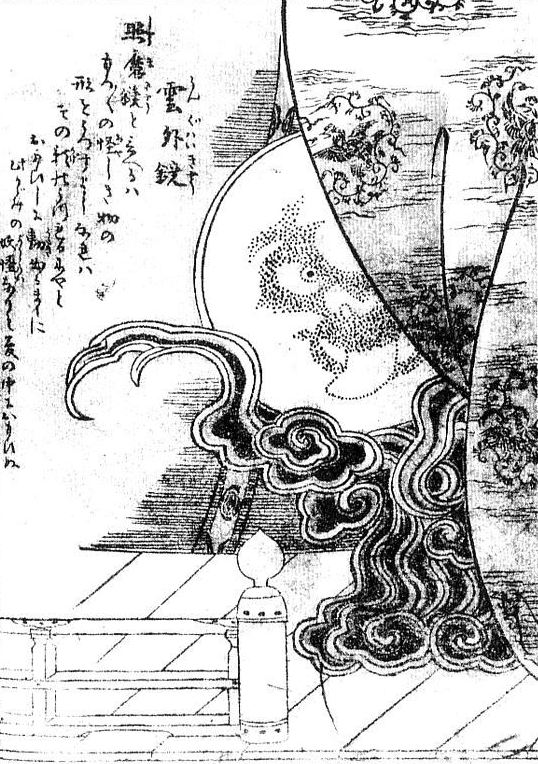
Ungaikyo
ungaikyo
A tsukumogami inhabiting an old bronze mirror, which reflects monstrous faces and otherworldly visions instead of the viewer's true reflection.
Tsukumogami ParadeGazu Hyakki Yagyō
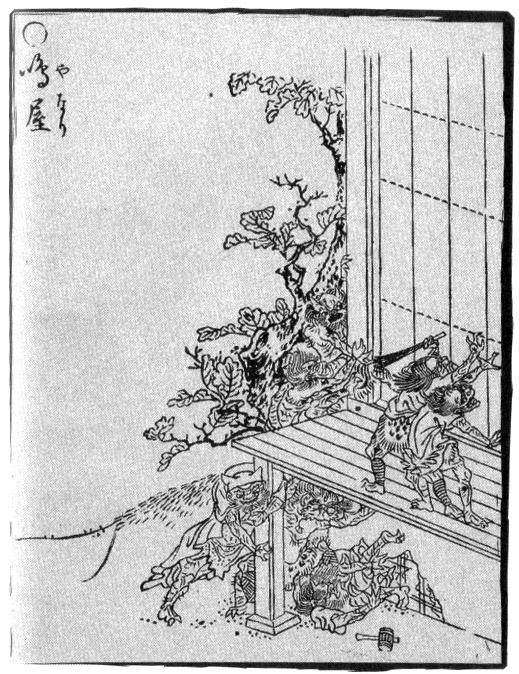
Yanari
yanari
A yokai responsible for the creaking and groaning sounds that houses make at night — tiny oni said to shake the beams and walls from unseen places.
Tsukumogami ParadeHouse Spirits